An in-depth analysis of the 2025 WASSCE controversy and what it means for Nigeria’s education sector
Published: August 21, 2025 • By SaharaNews247 Team
Executive Summary
The 2025 West African Senior School Certificate Examination (WASSCE) sparked widespread outrage after the West African Examinations Council (WAEC) initially released results showing that only 38.32% of candidates secured five credits, including English and Mathematics. This represented a sharp drop from 72.12% in 2024.
WAEC later admitted a grading error caused by a wrong answer key in the English Language Objective Test, re-issued corrected results, and raised the pass rate to 62.96%. However, WAEC also withheld 192,089 results over alleged exam malpractice.
Stakeholders, including teachers and parents, described the outcome as “bastardising” the education process. But was this failure deliberate sabotage, gross incompetence, or evidence of systemic problems? Let’s break it down.
Why This Matters
The WASSCE remains one of the most important exams in Nigeria, determining admission into universities and other higher institutions. When confidence in the process falters, millions of students and their families suffer. Beyond admissions, the integrity of the examination reflects on Nigeria’s educational system as a whole.
Step-by-Step Timeline
Initial Results
In early August 2025, WAEC announced that only 38.32% of candidates achieved five credits including English and Mathematics. The result was the lowest in recent memory and caused panic across the country.
Public Backlash
Parents, teachers, and student unions openly criticised WAEC. The Nigerian Union of Teachers (NUT), the National Association of Proprietors of Private Schools (NAPPS), and student groups condemned the results. Some stakeholders even accused WAEC of “bastardising” the education process.
WAEC’s Admission of Error
WAEC later conducted an internal review and discovered that the English Language Objective Paper was graded using the wrong serialised answer key. The council apologised for the mistake, corrected the error, and promised tighter checks going forward.
Corrected Results
After the adjustment, the pass rate rose to 62.96%. While this was a relief compared to the initial figure, it still reflected a decline from 2024’s 72.12%.
Withheld Results
WAEC withheld 192,089 results, representing about 9.7% of candidates, due to exam malpractice investigations. This figure, though slightly lower than 2024, shows that malpractice remains a persistent problem.
Is WAEC Really “Bastardising” Nigerian Education?
No Evidence of Sabotage
There is no proof that WAEC deliberately manipulated results. The council admitted to a specific human and system error, issued an apology, and released corrected figures.
Signs of Incompetence
A grading error of this scale suggests negligence and weak quality assurance. Allowing such a mistake to slip through calls WAEC’s operational processes into question.
Systemic Failure
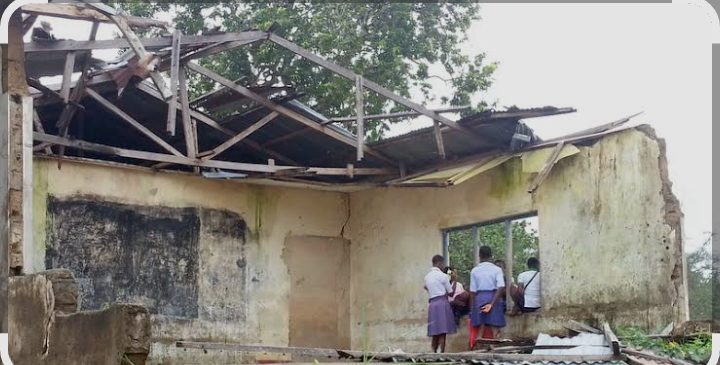
Stakeholder concerns go beyond WAEC’s mistake. Widespread malpractice, late exam sittings, poor teacher preparation, inadequate infrastructure, and chronic underfunding in schools point to deeper systemic weaknesses.
The Numbers at a Glance
Initial Pass Rate (2025): 38.32%
Corrected Pass Rate (2025): 62.96%
Pass Rate in 2024: 72.12%
Results Withheld (2025): 192,089 (≈9.7%)
The corrected figures softened the panic but still revealed a decline in performance and integrity compared to previous years.
Root Causes of the Crisis
1. Operational Failures: Weak internal checks led to the use of the wrong answer key.
2. Widespread Malpractice: Nearly 10% of results withheld reflect persistent cheating.
3. Educational Weaknesses: Poor funding, weak teacher training, and lack of resources undermine exam readiness.
4. Communication Gaps: WAEC’s slow and confusing public response worsened the crisis.
Consequences
For Students: Panic, delayed admissions, and psychological stress.
For Universities: Disruptions in admissions cycles.
For WAEC: Reputation damage and calls for independent audits.
For Society: Erosion of trust in Nigeria’s education system.
Recommendations
Conduct an independent external audit of the 2025 exam process.
Implement stricter quality control systems for marking and paper serialisation.
Strengthen anti-malpractice technology such as biometric verification and CCTV in exam halls.
Increase teacher training and support to improve student performance.
Adopt a clear crisis communication strategy to prevent panic.
Provide remedial support for affected students whose results were withheld or initially misgraded.
Final Take
The claim that WAEC is “bastardising” Nigeria’s education system is more an emotional reaction than a factual reality. While there was no evidence of deliberate sabotage, WAEC’s grading error exposed serious lapses in its processes. Combined with systemic educational weaknesses and widespread malpractice, the outrage is understandable.
The 2025 WASSCE should serve as a wake-up call for WAEC, policymakers, and educators to reform Nigeria’s examination system, restore public confidence, and safeguard the future of millions of students.
Author Bio
SaharaNews247 Team — SaharaNews247 is a trusted Nigerian news platform covering politics, education, business, and society. Our education desk is committed to providing fact-checked, data-driven reports and actionable insights for students, parents, and educators. Contact us via: editor@saharanews247.com