By Chinedu Okafor – SaharaNews247
Overview
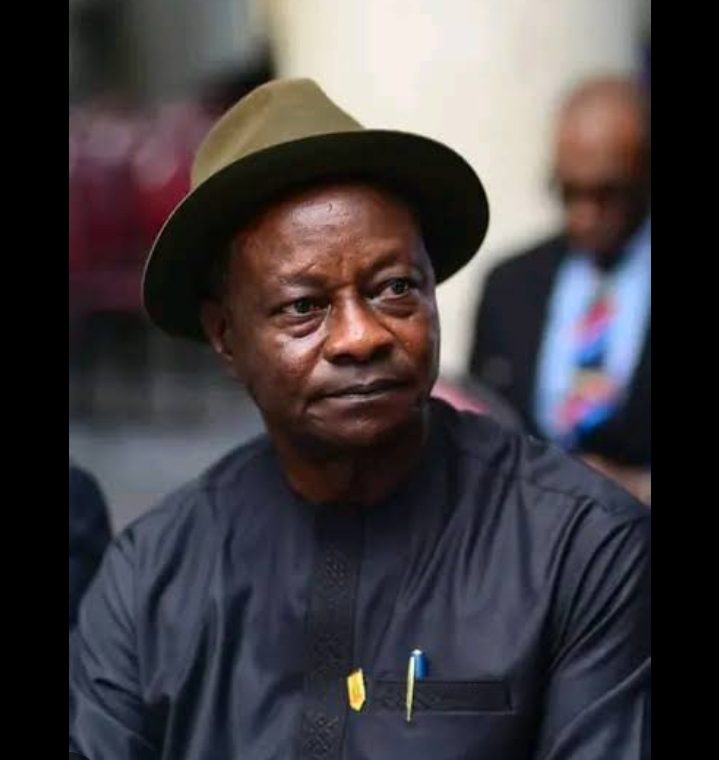
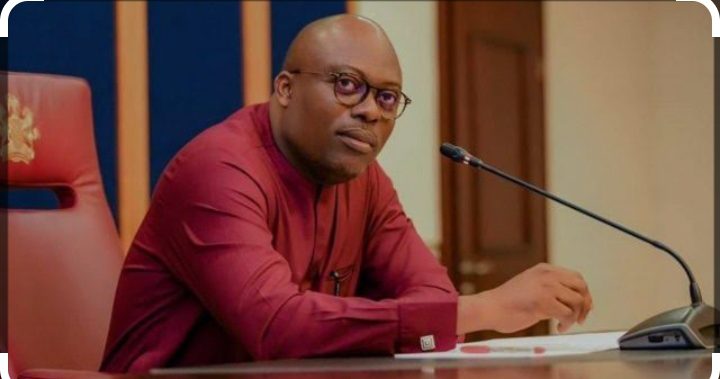
President Bola Ahmed Tinubu held a closed-door meeting at the Presidential Villa, Abuja, with Vice Admiral Ibok-Ete Ibas (retd.), the former sole administrator of Rivers State, on 24 September 2025. Reports from multiple reputable news outlets confirm that Nigeria’s Economic and Financial Crimes Commission (EFCC) Chairman, Ola Olukoyede, and Finance Minister, Wale Edun, were also present at the Villa around the same time.
This article presents a comprehensive, fact-based analysis of the meeting, explores the political and fiscal implications, and highlights key questions that remain unanswered.
Confirmed Details of the Meeting
Date and Time: Wednesday, 24 September 2025, around 5:50 p.m.
Attendees: Vice Admiral Ibok-Ete Ibas, President Bola Tinubu, Finance Minister Wale Edun, and reportedly EFCC Chairman Ola Olukoyede.
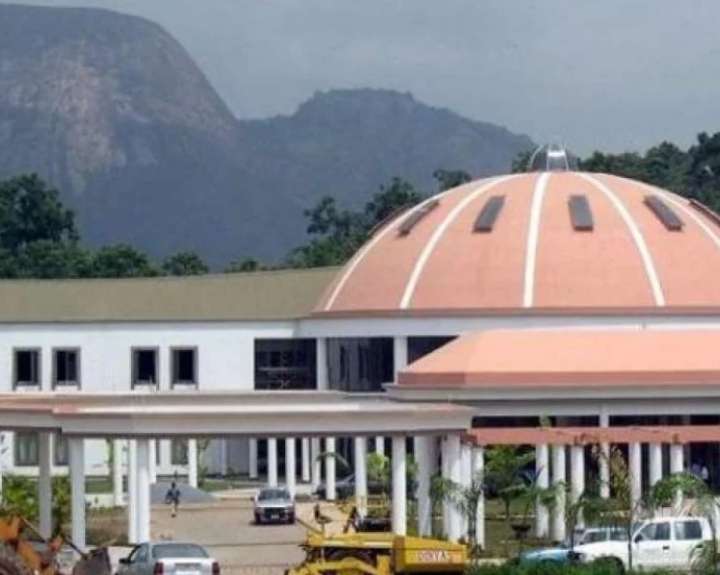
Setting: Presidential Villa (Aso Rock), Abuja.
Status: Closed-door meeting; no official statement has been issued about its purpose or outcomes.
These details were independently reported by multiple respected Nigerian media outlets including Channels Television, Daily Trust, and The Guardian.
Background on Ibas and Rivers State Emergency Rule
From March to September 2025, Vice Admiral Ibok-Ete Ibas served as the sole administrator of Rivers State after the federal government declared a state of emergency. During this six-month period, the elected state government was suspended and governance operated directly under federal oversight.
Rivers State, one of Nigeria’s major oil-producing regions, received significant federal allocations during this period. Public pressure for a transparent audit of how those funds were used has grown steadily since the end of Ibas’s tenure.
Possible Reasons for the Meeting
1. Financial Accountability
Public debate around Rivers State’s finances during the emergency rule is intense. Several media reports mention that the state received more than ₦250 billion in federal allocations within the six-month period. Calls for a forensic audit have been mounting.
2. Inter-Agency Coordination
The reported presence of EFCC Chairman Ola Olukoyede and Finance Minister Wale Edun strongly suggests that financial oversight and compliance issues were on the agenda.
3. Political Optics
Rivers State remains a politically strategic region. High-profile federal attention signals to both local and national stakeholders that the Tinubu administration is prioritizing fiscal responsibility and governance integrity.
What the Meeting Does and Does Not Mean
What it does mean:
The meeting confirms that federal authorities are paying close attention to the Rivers State emergency administration period and that senior financial and anti-graft officials are involved in consultations.
What it does not mean:
There is no evidence yet of wrongdoing by Ibas or confirmation of an active criminal investigation. The presence of EFCC officials does not imply guilt or forthcoming charges.
Potential Next Steps
1. Audit or Financial Review
A forensic audit of Rivers State’s finances during the emergency rule is the most likely immediate step. This could involve cross-checking Federation Account Allocation Committee (FAAC) disbursements with state expenditures.
2. Administrative or Legal Actions
If discrepancies emerge, administrative sanctions, recovery of funds, or formal EFCC investigations may follow, subject to due process and legal standards.
3. Public Statements
Nigerians should expect official comments from the Presidency, the EFCC, or Ibas’s representatives if the matter escalates.
Broader Political and Economic Context
Rivers State plays a crucial role in Nigeria’s economy as a top oil-producing region. Any probe into how its federal allocations were managed could set a national precedent for accountability in resource-rich states.
Politically, the development may also influence alliances and power dynamics within the Niger Delta and across Nigeria’s ruling party. Transparent handling of the situation will be critical to maintaining public trust.
Key Unanswered Questions
What specific issues were discussed behind closed doors at Aso Rock?
Was the EFCC chairman’s presence directly tied to Ibas’s meeting or a separate engagement?
Will a formal forensic audit or legal action be announced?
How will Rivers State’s political leadership respond to potential investigations?
Responsible Journalism Going Forward
For newsrooms and readers, the priority is to rely on verified information and official records rather than speculation. Documentary evidence such as FAAC statements, procurement records, and state financial audits will ultimately clarify the situation.
Conclusion
The meeting between President Tinubu and former Rivers sole administrator Ibok-Ete Ibas at the Presidential Villa is an important development in Nigeria’s governance and anti-corruption landscape. While the presence of high-level finance and anti-graft officials underscores the seriousness of the discussions, no evidence currently supports allegations of wrongdoing.
SaharaNews247 will continue to follow this story closely, providing updates as credible information emerges.
Author Bio
Chinedu Okafor is a senior political and investigative journalist with SaharaNews247. With more than a decade of experience covering Nigerian governance and fiscal policy, he specializes in in-depth analysis of political and economic developments across the Niger Delta. Contact: chinedu.okafor@saharanews247.com.