
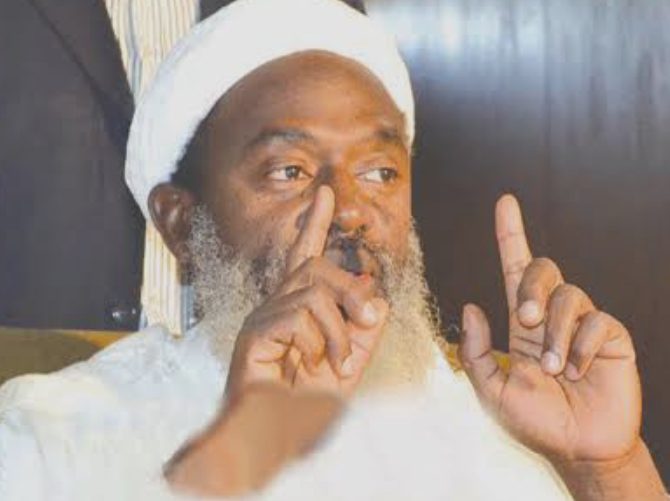
In a surprising development that has stirred public discourse across Nigeria and the wider Muslim world, prominent Islamic scholar Sheikh Ahmad Abubakar Gumi was reportedly prevented by Saudi authorities from participating in the 2025 Hajj pilgrimage.
While official details remain scarce, the news has prompted widespread debate about the implications of Saudi Arabia’s evolving Hajj visa policies — particularly for Nigerian pilgrims.
Who is Sheikh Ahmad Gumi?
Sheikh Ahmad Gumi is one of Nigeria’s most well-known and controversial Islamic clerics. A former military officer and the son of the late Grand Khadi of Northern Nigeria, Abubakar Mahmud Gumi, the Sheikh is a graduate of Umm al-Qura University in Mecca, Saudi Arabia.
Known for his outspoken views on religious, political, and security issues in Nigeria, Gumi has often courted controversy, particularly for his calls for dialogue with armed groups in Northern Nigeria and his criticism of certain government policies. His national prominence and frequent media appearances have made him both revered and criticized by different segments of the Nigerian populace.
Saudi Arabia’s 2025 Hajj Visa Regulations: A Tighter Grip
Ahead of the 2025 pilgrimage season, Saudi Arabia’s Ministry of Hajj and Umrah implemented a set of stricter visa guidelines aimed at regulating the annual influx of millions of pilgrims.
Key among these measures were:
Suspension of multiple-entry visas for citizens from 14 countries, including Nigeria.
Ban on children participating in the Hajj.
Enhanced scrutiny of clerics and public figures perceived to pose diplomatic or security challenges.
Mandatory registration through official Hajj channels only.
These regulations, according to Saudi authorities, were introduced to streamline the Hajj process, prevent overcrowding, and curb unauthorized or politically sensitive pilgrimages.
However, critics argue that the rules are increasingly being applied with a political lens — possibly targeting influential clerics whose past remarks or affiliations may raise concerns within the Kingdom.
Why Was Sheikh Gumi Reportedly Barred from Hajj?
Although no official reason has been provided by Saudi officials, reports suggest that Sheikh Gumi’s visa was either revoked or not approved, effectively barring him from traveling to perform the pilgrimage.
Multiple unconfirmed sources hint that his controversial public positions and past comments about regional insurgencies in Nigeria may have triggered red flags in Saudi Arabia’s vetting process. Others suggest that broader diplomatic considerations may be at play, especially given Gumi’s vocal criticism of military operations in the North and advocacy for negotiating with bandits — positions that could be viewed unfavorably by conservative governments.
Efforts to obtain a direct comment from the Saudi embassy in Abuja and Sheikh Gumi himself have so far been unsuccessful.
Reactions from Nigerian Muslims and the Public
The development has drawn mixed reactions from Nigerian Muslims:
Supporters of Gumi argue that preventing a cleric from fulfilling a core religious obligation like Hajj is unjust and possibly politically motivated.
Others view Saudi Arabia’s decision as an internal policy matter, emphasizing the Kingdom’s right to regulate entry based on security or diplomatic priorities.
Some religious scholars have called for more transparency in the Hajj visa process and urged the Nigerian government to seek clarification from Saudi authorities.
The Supreme Council for Islamic Affairs has yet to issue an official statement, but insiders suggest that quiet diplomatic channels may already be engaged to investigate the situation.
Diplomatic and Religious Implications
This incident may trigger broader discussions about:
The relationship between Nigeria and Saudi Arabia, particularly in the context of religious pilgrimage rights.
Freedom of religious expression and whether political views should factor into access to the Hajj.
The need for Nigeria to strengthen its Hajj Commission oversight and safeguard the rights of its citizens abroad.
It also raises concerns over potential profiling of clerics or public figures, especially those critical of foreign policy decisions or domestic military actions.
Conclusion
The reported denial of Hajj access to Sheikh Ahmad Gumi is more than a personal setback — it raises important questions about the intersection of religion, diplomacy, and public discourse. As the situation unfolds, Nigerians and the broader Muslim community await official explanations from both Saudi authorities and Sheikh Gumi.
For now, the 2025 Hajj season continues under tight controls, and Nigerian pilgrims — especially public figures — may need to tread more carefully in navigating international religious obligations.

