Author: Smart Chuks
Nigeria’s insecurity crisis has persisted for years, claiming thousands of lives and destabilizing entire regions. From terrorism to banditry, kidnapping, oil theft, and violent crime, the situation has become a pressing national emergency. Yet, many Nigerians believe government spending priorities do not reflect the urgency of the crisis.
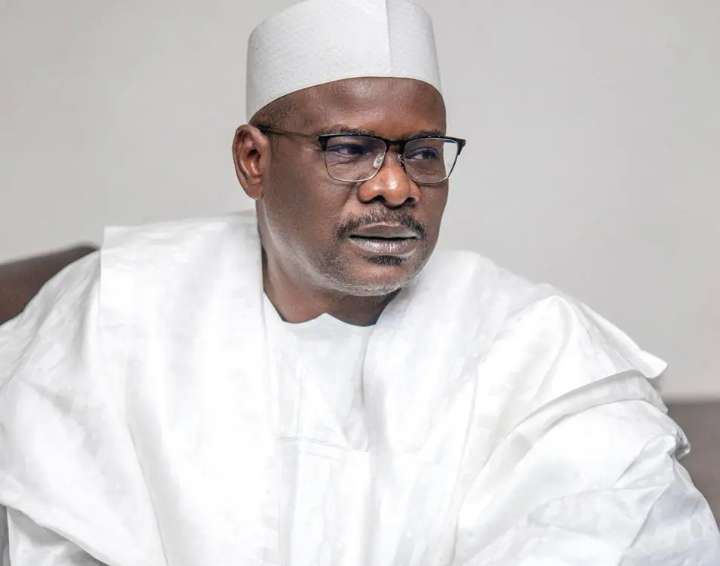
This conversation intensified after Senator Ali Ndume, the Senate Chief Whip, appealed to the Federal Government to reduce the cost of running the National Assembly and channel more funding into national security. His remarks have stirred debate across political, economic, and public policy spaces.
This article offers a deep analysis of Ndume’s statement, the budget realities behind it, and what reforms could mean for the country moving forward.
Nigeria’s Deepening Security Crisis
Nigeria’s security landscape has shifted dramatically over the past decade. What started as an isolated insurgency in the Northeast has evolved into a multi-dimensional national threat impacting nearly every region.
The country continues to struggle with terrorism in the Northeast, rampant banditry in the Northwest, farmer–herder clashes in the North Central region, oil theft and vandalism in the Niger Delta, and growing urban crime in major cities.
Many communities have faced displacement, school closures, disrupted farming, declining investment, and insecurity-driven poverty. For millions, the fear of violence remains a daily reality.
Ndume’s Call for Fiscal Prioritization
Speaking in Abuja, Senator Ndume argued that Nigeria cannot continue to fund legislative operations at current levels while the country faces one of the worst security challenges in its history. He urged the National Assembly and the broader political class to lead by example and make necessary sacrifices.
His message was direct: national survival should come before operational comfort.
Ndume’s proposal is particularly striking because it comes from within the legislative structure itself — a rare admission that the cost of governance must be addressed.
Nigeria’s Cost of Governance: An Ongoing Debate
Nigeria is consistently ranked among the countries with the highest cost of governance relative to revenue.
Several factors contribute to this perception, including high allowances, foreign travels, multiple aides, numerous committees, and large recurrent expenditures.
Both local and international financial bodies, including the World Bank and Nigeria’s Revenue Mobilization Allocation and Fiscal Commission, have repeatedly advised restructuring government spending to align with economic realities.
Despite these recommendations, reforms have been slow.
Ndume’s statement may be a turning point that reignites this long-standing debate.
Budget Comparison: National Assembly vs Security Sector
Over the years, one repeated criticism has been the imbalance in federal spending. While the National Assembly receives a significant operational budget annually, security agencies continue to operate with inadequate funding, outdated equipment, weak welfare systems, and insufficient training infrastructure.
Many security personnel work under harsh conditions with limited protective gear and delayed allowances. This disparity has fueled public anger, especially when citizens feel unprotected despite paying taxes and electing leaders.
Ndume argues that until security is funded at the level of national urgency, Nigeria cannot achieve lasting stability.
Why Ndume’s Proposal Matters Now
Ndume’s call arrives at a critical moment. Nigeria faces declining oil revenues, rising cost of living, and high levels of public debt. With shrinking federal resources and increasing insecurity, the need for financial restructuring is more urgent than ever.
His remarks reflect growing recognition within the government that spending patterns must evolve to address current realities.
Public Reaction
The proposal has generated mixed reactions among Nigerians.
Many citizens strongly support the idea, arguing that the legislature consumes too many resources without delivering proportional public benefit. For them, reducing NASS spending is overdue and aligns with responsible governance.
Others remain skeptical, suggesting the proposal may be political posturing unless backed by tangible legislative action. They argue that real reform requires enforceable legislation, transparency, and strong executive support.
Regardless of opinion, Ndume’s statement has successfully drawn public attention back to a core governance concern: how Nigeria spends public money during crisis.
How Increased Security Funding Could Influence National Development
If implemented, redirecting funds to security could significantly improve national outcomes.
Stronger military and police presence could reduce attacks and restore confidence in vulnerable regions. Improved intelligence systems could disrupt criminal networks. Better welfare and training for security personnel could boost morale and reduce corruption.
A safer country also encourages business growth, education access, agriculture, tourism, and foreign investment. National security is not just a protective service — it is the foundation of economic stability.
International Comparison: What Other Countries Have Done
Several developing democracies facing similar security challenges have successfully restructured government spending to prioritize safety and stability.
Countries including Brazil, India, Kenya, and South Africa reduced government operational expenses and redirected funds into defense modernization, community policing, and intelligence technology.
These reforms helped stabilize vulnerable regions and created long-term national benefits. Observers argue that Nigeria could follow similar approaches, adapting reforms to its unique environment.
Possible Pathways for Reform
Meaningful restructuring would require clear steps and coordinated policy decisions. These may include:
Reviewing allowances and travel budgets for lawmakers.
Streamlining committees and reducing administrative duplication.
Publishing National Assembly budget breakdowns for accountability.
Linking security funding to measurable performance indicators.
Establishing an independent fiscal review panel.
Such actions would not only increase resources for security agencies, but also rebuild public trust in government spending.
Challenges Likely to Arise
Implementing Ndume’s proposal will not be easy. Political resistance, institutional culture, vested interests, and lack of transparency may hinder progress.
Additionally, reducing funding alone is not enough — Nigeria must ensure that additional security funding is honestly managed and strategically deployed.
Effective reform requires political leadership, independent oversight, and sustained commitment.
What Happens If No Action Is Taken?
If spending priorities remain unchanged, analysts warn that insecurity may continue to spread, undermining national unity and damaging Nigeria’s economic and diplomatic standing.
Unchecked insecurity could affect food supply, foreign investment, education, tourism, and local business operations. The long-term consequences could reshape Nigeria’s development trajectory for years.
Conclusion
Senator Ali Ndume’s appeal highlights a critical truth: Nigeria must rethink how it allocates resources if it hopes to overcome its security crisis. Reducing National Assembly operating costs could signal leadership responsibility and provide meaningful funding where it is needed most — protecting lives and securing the nation.
Whether Ndume’s proposal leads to concrete action remains to be seen, but one thing is clear: reforming spending priorities is a conversation Nigeria can no longer avoid.
About the Author
Smart Chuks is a Nigerian journalist and public affairs analyst focused on governance, security, and national development reporting. With years of experience covering public policy and national affairs, he remains committed to truth-driven journalism and informed civic engagement.