
“The North Will Not Be Fooled” — Tensions Mount as 2027 Presidential Race Heats Up
By SaharaNews247 Political Desk
Date: August 7, 2025
Category: Politics | 2027 Elections | Power Rotation Debate
Introduction: One-Term Presidency or One-Time Trap?
As Nigeria heads toward the crucial 2027 general elections, former Labour Party presidential candidate and ex-Governor of Anambra State, Peter Obi, has ignited intense debate by pledging to serve only one term if elected president.
While some have hailed this as a show of patriotism and humility, several prominent voices—particularly from Northern Nigeria—have rejected the proposal, calling it a political gimmick and a potential violation of the country’s informal power-sharing arrangements.
Is Peter Obi’s promise a pathway to unity or a calculated move to win over reluctant voters?
Zoning in Nigeria: The Unwritten Rule That Shapes Elections
Nigeria’s political elite have long relied on an informal zoning arrangement—an understanding that power should rotate between the North and the South to promote equity and national unity in a multi-ethnic state.
With President Bola Ahmed Tinubu, a Southerner, currently serving, many in the North argue that the next presidency should return to their region. Obi’s decision to contest in 2027, still within a Southern-led presidency, has thus raised serious concerns.
Obi’s One-Term Presidency: A Reformist Strategy?
Peter Obi has declared that if elected in 2027, he would serve only a single four-year term. According to him, leadership is about impact, not longevity. He believes one term is enough to stabilize the system, implement reforms, and hand over to a new generation.
“Leadership doesn’t require eternity,” Obi stated during a recent town hall. “One term is enough to change Nigeria’s direction.”
He emphasized the need to restore public trust, restructure governance, and cut down wasteful government spending within a short and focused period.
Northern Leaders React: “We Are Not Convinced”
The North’s political class is not buying Obi’s pledge. Many see it as a smokescreen meant to bypass the zoning agreement and win support from voters who feel politically shortchanged.
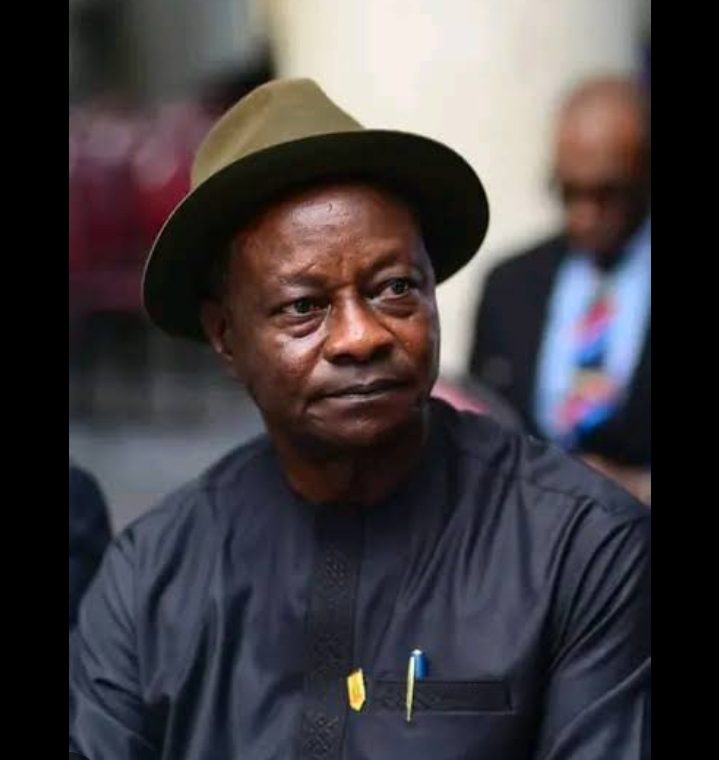
Yabagi Sani – Chairman, Inter-Party Advisory Council (IPAC)
Sani described the one-term promise as “not sellable” in the North, arguing that the region deserves a full turn to occupy the presidency—not just a consolation prize masked as national unity.
“You cannot bypass zoning with a one-term promise. It’s about justice and balance,” he said.
Anthony Sani – Former Secretary General, Arewa Consultative Forum (ACF)
Anthony Sani dismissed the idea as a “tactical move,” reminding Nigerians that such pledges are not enforceable.
“We’ve seen politicians make promises like this and break them. Nigerians need sincerity, not strategy,” he warned.
Presidency Responds: “It’s Pure Deceit”
An unnamed senior aide to President Tinubu described Obi’s pledge as deceitful, citing the former governor’s record of political inconsistency.
“This is the same man who changed parties multiple times. Nigerians will not fall for another political stunt. There’s no law that stops him from running for a second term,” the aide said.
This reaction highlights growing tension between Obi’s camp and Tinubu’s supporters as 2027 approaches.
Arewa Consultative Forum: A Clever Political Move
The ACF issued a statement calling Obi’s promise a “calculated political strategy.” While not outrightly condemning the idea, they warned it could destabilize the zoning principle if allowed to stand unchallenged.
They argue that symbolic pledges do not resolve the deeper issues of regional inequality and political exclusion.
Public Reactions: Praise, Doubt, and Polarization
Nigerians on social media and in civil society are divided.
Southern youths and reformist groups see Obi’s move as courageous and forward-thinking.
Some Northerners see it as a condescending attempt to neutralize zoning concerns.
Others argue that Nigeria needs competent leadership, regardless of region or term length.
The debate has dominated radio shows, newspaper columns, and online platforms, indicating that the issue may influence voting behavior.
The Risks of a One-Term Presidency
While the one-term idea sounds idealistic, political analysts warn of practical concerns:
Weakened Authority: A president with no re-election ambition could become a lame duck, unable to build alliances or resist internal sabotage.
Reform Limitations: Four years may not be enough to execute meaningful reforms, especially in sectors plagued by corruption and bureaucracy.
Investor Uncertainty: Economic actors prefer stability. A short-term presidency may discourage long-term investment.
No Legal Backing: There’s no constitutional mechanism to stop Obi—or any president—from seeking re-election if the opportunity arises.
What Does the Constitution Say?
Section 137 of Nigeria’s 1999 Constitution states that a president may serve a maximum of two four-year terms. The law does not compel a president to serve both terms—nor does it prevent a first-term president from changing their mind about running again.
This legal loophole is part of why Northern leaders remain skeptical.
Obi’s Strategy: Nationalist Appeal or Regional Alienation?
Peter Obi is attempting to redefine the political landscape by presenting himself as a reformer, not a regional candidate. His one-term pledge appears designed to:
Calm zoning tensions
Project moral leadership
Appeal to disillusioned voters
Avoid being boxed into a regional narrative
However, this strategy may alienate both Northern voters who expect a full power rotation and Southerners who would prefer continuity if his reforms succeed.
2027 Outlook: Can Obi Break Nigeria’s Political Mold?
Peter Obi’s campaign will be one to watch. His one-term pledge is a bold, if controversial, move. It challenges the status quo and forces Nigerians to question the role of zoning, tenure, and performance in electing leaders.
Whether this promise helps or hurts his chances will depend on how well he convinces the electorate that he truly means it—and whether Nigerians are willing to take the risk.
Conclusion: Beyond Promises—What Does Nigeria Really Need?
Peter Obi’s one-term presidency vow has sparked a necessary conversation about governance, equity, and national unity. But promises, no matter how well-intentioned, must be backed by trust, performance, and public will.
As 2027 approaches, Nigerians must decide: do we want a symbolic gesture—or a true transformation? Can one term fix Nigeria? Or do we risk putting hope in another empty promise?
Time, and the voters, will tell.