
By Smart Chuks | SaharaNews247
How Supply Shocks, Refinery Disruptions, and Low Imports Are Driving Up Costs—and What It Means for Nigerians
Overview
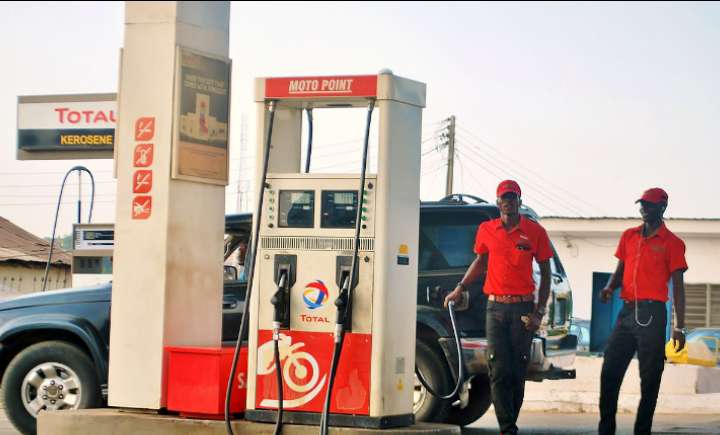
Across Nigeria, motorists are facing another round of petrol price increases as filling stations quietly adjust their pump rates upward. In cities like Abuja, Lagos, and Port Harcourt, the price of Premium Motor Spirit (PMS), commonly known as petrol, has climbed as high as ₦905 per litre in some stations.
This development has sparked fresh public concern about the nation’s fragile energy market, coming amid widespread inflation, transport hikes, and ongoing debates about subsidy removal and refinery readiness. Industry insiders attribute the latest price surge to a perfect storm of supply constraints, industrial disruptions, and low import volumes.
The Situation on the Ground
Investigations reveal that several retail outlets, including some operated by the Nigerian National Petroleum Company Limited (NNPCL), have adjusted pump prices from about ₦890 to between ₦900 and ₦905 per litre.
The reasons behind this are layered. The recent industrial action by oil sector unions disrupted operations at key facilities, including depots and refineries. In addition, vessel discharge delays at Nigerian ports have further constrained supply. Industry data also shows that the country recorded one of its lowest gasoline import levels in recent months, tightening stock levels at depots and triggering a price hike across distribution chains.
The NNPC and the Nigerian Midstream and Downstream Petroleum Regulatory Authority (NMDPRA) have acknowledged operational hitches, attributing the adjustments to “market realities” and logistics costs.
Why Prices Are Rising
1. Supply Interruptions and Strikes
Short-lived but impactful industrial actions in the oil and gas sector disrupted fuel distribution and refinery output. Even temporary shutdowns can have a ripple effect, especially in a system still heavily dependent on imports and external logistics.
2. Low Imports and Port Congestion
Nigeria’s continued reliance on imported petrol has left the market vulnerable to global supply fluctuations. Shipping delays and congestion at Lagos and Warri ports slowed discharge operations, creating temporary shortages that forced retailers to increase prices.
3. Currency Pressures
The weakening of the naira against the dollar has significantly increased the landing cost of imported petrol. With foreign exchange scarcity and high financing costs, importers are passing the extra burden to consumers at the pump.
4. Market Deregulation
Since the 2023 removal of fuel subsidies, petrol prices are now determined by market forces. This liberalization means that prices reflect real-time costs of landing, transport, and distribution. While it promotes transparency, it also exposes consumers to sharp fluctuations when external conditions change.
Who Bears the Brunt?
Households
For ordinary Nigerians, the impact is immediate. Transport costs rise, food prices follow, and household budgets are stretched thinner. The ripple effect of a petrol price hike reaches nearly every sector of the economy.
Transporters and Commuters
Bus and taxi drivers have begun increasing fares to cover rising fuel expenses. For daily commuters, especially in urban centers, the cost of moving around is becoming increasingly unbearable.
Businesses and Supply Chains
Rising transport and energy costs push up production expenses for small and medium-scale enterprises. This, in turn, drives up the prices of goods and services, feeding inflation and reducing purchasing power.
The Government
While the government benefits from reduced subsidy burdens, it faces renewed public pressure as higher prices intensify economic hardship. Balancing free-market policy with social welfare has become a tightrope walk for policymakers.
Stakeholder Reactions
Labour Unions
The Petroleum and Natural Gas Senior Staff Association of Nigeria (PENGASSAN) has raised concerns about the lack of transparency in fuel pricing, warning that unregulated hikes without government oversight could trigger fresh unrest.
NNPC Limited
The state oil company has admitted to operational hitches and confirmed that pump price adjustments at its retail outlets reflect market realities. NNPC insists it remains committed to maintaining supply stability.
Independent Marketers
Independent marketers argue that high depot prices and transportation costs leave them with little choice but to increase retail prices. They also cite the high cost of truck maintenance and diesel for transport as contributing factors.
Economic Implications
Economists warn that rising petrol prices could push Nigeria’s inflation rate even higher in the coming months. Petrol price hikes typically feed directly into food inflation through increased logistics costs, and indirectly through higher operating expenses for manufacturers and service providers.
The Central Bank’s efforts to stabilize the naira and curb inflation could also be complicated as energy costs feed into the broader economy. Meanwhile, wage stagnation means household incomes are not keeping pace with rising prices.
The Road Ahead
If refinery operations normalize and import schedules improve, pump prices could stabilize in the short term. However, sustained volatility in global oil markets and persistent foreign exchange challenges suggest that Nigerians may continue to experience price fluctuations.
The Dangote Refinery, which began limited operations earlier this year, is expected to play a major role in stabilizing domestic fuel supply once it ramps up to full capacity. However, analysts caution that this transition will take time, and distribution challenges could still keep prices elevated in the near future.
What Needs to Be Done
1. Enforce Transparent Pricing Templates
Regulators must ensure that pump price templates are publicly available and consistently applied across all retail outlets.
2. Improve Logistics Infrastructure
Fixing depot-to-retail bottlenecks and pipeline inefficiencies will reduce transportation costs and stabilize prices.
3. Address Foreign Exchange Constraints
Providing stable forex access for legitimate fuel importers will help reduce landing costs.
4. Build Strategic Reserves
Establishing national fuel reserves can help cushion the impact of short-term disruptions.
5. Protect the Vulnerable
Implementing targeted social interventions, such as transport subsidies for low-income workers, could reduce the pain of rising fuel costs.
Expert Analysis
While many point to deregulation as the root cause of these price increases, the issue runs deeper. Nigeria’s downstream sector is still burdened by systemic inefficiencies, from port delays to currency instability. The country’s reliance on imports leaves it at the mercy of global market shocks.
The key to long-term stability lies in building sustainable local refining capacity, ensuring forex liquidity, and maintaining policy transparency. Without these reforms, even the most efficient market will struggle to deliver fair and predictable prices to consumers.
Consumer Tips
Compare prices among stations before refueling; rates often vary between major marketers and independent dealers.
Avoid panic buying—hoarding increases pressure on supply chains.
For frequent drivers, regular vehicle maintenance and proper tire inflation can help maximize fuel efficiency.
Consider alternative energy options such as compressed natural gas (CNG) when available.
Frequently Asked Questions
Will petrol prices keep rising?
Prices are likely to remain unstable in the short term. If supply improves and the naira stabilizes, rates could ease. But any new disruption may cause another increase.
Is the Dangote Refinery the solution?
Yes, but not immediately. The refinery’s success depends on consistent operations, efficient distribution, and fair market pricing.
What role should regulators play?
Regulators must ensure transparency, curb profiteering, and guarantee fair competition in the downstream market.
Conclusion
The latest surge in petrol prices underscores the fragile nature of Nigeria’s fuel supply system. Industrial actions, low imports, and currency weakness have converged to create a perfect storm of scarcity and inflation.
While deregulation was intended to allow market forces to determine prices, the reality is that without robust local refining capacity and clear oversight, Nigerians remain exposed to price shocks. Policymakers must focus on practical solutions—refinery efficiency, forex stability, and consumer protection—to prevent the situation from worsening.
Until these reforms take hold, Nigerians may continue to pay more at the pump, even as hopes rise for a more stable and transparent energy future.
Author Bio
Smart Chuks is a business and energy correspondent for SaharaNews247. He specializes in reporting on Nigeria’s oil and gas industry, economic policy, and market reforms. With years of experience covering Africa’s energy transition, he is passionate about transparent reporting that connects complex economic issues to everyday life.

