ByAmina Yusuf
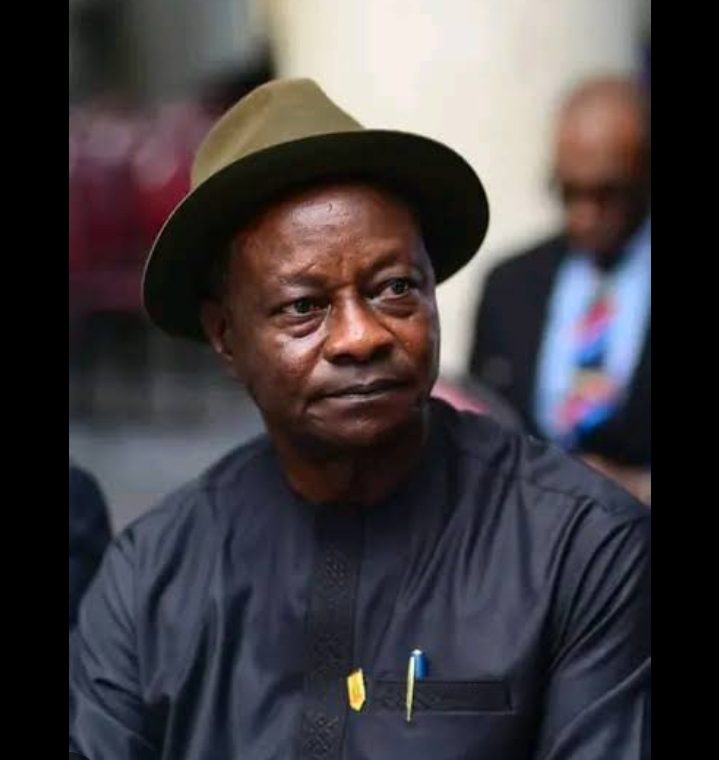
The recent confrontation between Federal Capital Territory (FCT) Minister Nyesom Wike and a naval officer in Abuja has captured nationwide attention. During a routine inspection at a disputed land site in Gaduwa District, Lieutenant A. M. Yerima of the Nigerian Navy reportedly blocked access to the property, leading to a verbal clash with the minister.
In the aftermath, Wike made a public statement that quickly went viral:
“I cry for Nigeria because of the high level of sentiments in this country.”
The incident has sparked debate across Nigeria about governance, civil-military authority, legality, and the broader culture of decision-making in public administration.
Timeline of the Wike-Navy Clash
The clash unfolded as follows:
1. Wike and his inspection team arrived at a plot of land under FCT Administration oversight.
2. Lieutenant Yerima reportedly blocked the minister’s access, claiming the site belonged to the Nigerian Navy.
3. A verbal confrontation ensued, with both sides exchanging sharp words.
4. Wike addressed the press, expressing frustration over Nigeria’s governance culture and highlighting the role of sentiment in decision-making.
5. Media coverage amplified the incident, leading to widespread public discussion and debate.
Understanding Wike’s Statement
Wike’s declaration reflects more than personal frustration. It highlights a broader concern that decisions in governance are often based on emotion, identity, or perceived power rather than legal and procedural guidelines.
Many Nigerians view the clash as symbolic of deeper issues in institutional coordination and the enforcement of rules.
Public Reactions
Public opinion has been divided into three main perspectives.
Supporters of Wike argue that the minister acted within his constitutional mandate. They emphasize that civil authority should take precedence over military influence in land administration, and that the rule of law must guide governance.
Supporters of the Naval Officer maintain that Lieutenant Yerima acted to protect federal property and that Wike could have employed a more diplomatic approach. They insist that uniformed personnel deserve respect and proper protocol in official engagements.
Neutral observers, including legal analysts and civil society experts, note that the incident reflects systemic gaps in governance, such as poor documentation, unclear authority, and weak institutional communication. Both sides could have avoided public escalation through proper coordination.
Legal Perspective
According to Nigerian law:
All land in the FCT is vested in the federal government.
The FCT Minister is responsible for land allocation, approval, and enforcement.
Military institutions may occupy land only if it has been formally allocated and documented through the FCTA.
Unless the Nigerian Navy can provide verified documentation, Wike was acting within his legal authority. Legal experts note, however, that professionalism and decorum remain essential in interactions between civil and military officials.
Historical Context of Civil-Military Relations in Nigeria
Nigeria has a history of tension between civilian governance and military authority.
During military rule before 1999, the armed forces dominated decision-making. Even after the transition to democracy, traces of military influence remain, particularly in areas like land, infrastructure, and security. Clashes between government officials and military officers over jurisdictional disputes are therefore not unprecedented.
This incident reflects the continuing struggle between civilian authority and military influence, highlighting the need for clear institutional boundaries and adherence to legal frameworks.
Expert Opinions
Legal analysts emphasize that Wike acted within the framework of FCT Administration law, and that the Navy’s claim requires proper documentation to have legal standing.
Civil rights groups stress that public officers must enforce law without intimidation, and that institutional overlap undermines democracy and accountability.
Military analysts suggest that respect and decorum in public engagements are essential to prevent escalation. They also note that formal inter-agency communication protocols could prevent future disputes.
Political Implications
Beyond the land dispute, the clash carries political significance. Wike’s firm stance reinforces his image as a decisive administrator. Military institutions may seek clarification on boundaries and engagement protocols. The incident could also shape public perception and influence governance debates in upcoming political cycles.
Public Perception
Social media and online forums reveal a mixed public response. Some Nigerians side with Wike, arguing that civil authority must prevail. Others support the Navy, emphasizing duty and professionalism. A significant portion recognize systemic governance issues, including poor documentation and unclear authority, as contributing factors.
Key Takeaways
1. Governance must prioritize law over sentiment.
2. Clear boundaries between civil and military authorities are essential.
3. Proper documentation prevents disputes.
4. Public discourse encourages accountability.
5. Civil-military coordination strengthens institutional efficiency.
Conclusion
The confrontation between Nyesom Wike and Lieutenant Yerima is a window into Nigeria’s ongoing governance challenges. Wike’s statement, “I cry for Nigeria,” captures frustration with institutional inefficiency, overlapping authority, and sentiment-driven decision-making.
Moving forward, Nigerian institutions must respect legal frameworks, enforce rules consistently, and engage professionally. Civil authority, proper procedure, and legal clarity are essential pillars for a functioning democracy and sustainable governance.
Author Bio
Amina Yusuf is an investigative journalist and analyst specializing in governance, civil-military relations, and public policy. She focuses on factual reporting and in-depth analysis to promote transparency and accountability in Nigeria.