By: Chinedu Okeke Political Analyst and Contributor at SaharaNews247
Introduction
On September 5, 2025, former Vice President Atiku Abubakar publicly condemned the Kaduna State Police Command’s invitation of former Governor Nasir El-Rufai and seven leaders of the African Democratic Congress (ADC) for questioning. The police cited allegations of criminal conspiracy, incitement of public disturbance, mischief, and causing grievous hurt following a violent incident at an ADC meeting in Kaduna.
Atiku described the police action as a “dangerous assault on civic freedoms” and warned that Nigeria was gradually drifting towards creeping authoritarianism under President Bola Tinubu. This incident has sparked a nationwide debate about the state of democracy, law enforcement practices, and political suppression in Nigeria.
Background of the Kaduna ADC Incident
The controversy began during an ADC inauguration event in Kaduna on August 30, 2025, which was violently disrupted by suspected thugs armed with cutlasses, clubs, and stones. Despite the attacks, the inauguration continued. El-Rufai condemned the violence, describing it as a “dangerous descent into lawlessness.”
In the aftermath, the Kaduna State Police Command sealed off the ADC office and summoned El-Rufai and other ADC leaders. While the police alleged criminal conspiracy and incitement of public disturbance, critics, including Atiku, argue that these charges were politically motivated and aimed at intimidating opposition voices.
Profiles of Key Figures
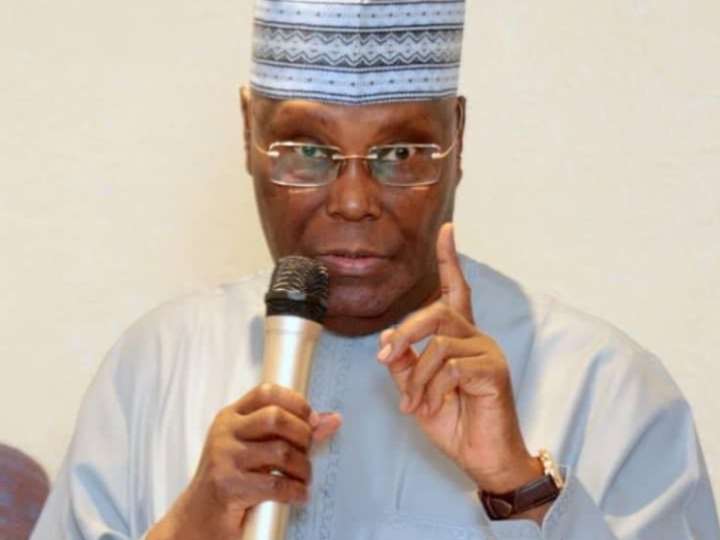
Atiku Abubakar
Atiku Abubakar served as Nigeria’s Vice President from 1999 to 2007 under President Olusegun Obasanjo. He is a vocal advocate of democratic principles, known for criticizing government overreach and defending civic freedoms. Over the years, Atiku has repeatedly warned against authoritarian tendencies, making his condemnation of the Kaduna police action highly significant in Nigeria’s political discourse.
Nasir El-Rufai
Nasir El-Rufai served as Governor of Kaduna State from 2015 to 2023. His tenure was marked by controversial reforms in education and infrastructure, but also accusations of heavy-handedness and suppression of dissent. El-Rufai remains a key opposition figure, actively supporting the ADC in challenging government policies and advocating for civic freedoms.
ADC Leaders
The seven ADC leaders summoned alongside El-Rufai include prominent figures in regional politics and civic engagement. Though the ADC is relatively smaller compared to the APC or PDP, it has gained attention for its pro-democracy stance and vocal opposition to perceived government overreach.
Timeline of Events
1. August 30, 2025 – ADC inauguration meeting in Kaduna disrupted by armed thugs.
2. August 31, 2025 – Police seal off ADC office, citing security concerns.
3. September 1–4, 2025 – Public outcry and political commentary emerge, highlighting civic rights concerns.
4. September 5, 2025 – Atiku Abubakar condemns the police action, warning against creeping authoritarianism.
5. September 8, 2025 – Scheduled police questioning of El-Rufai and ADC leaders.
Legal and Constitutional Analysis
Under Nigeria’s Constitution, citizens have the right to freedom of expression, assembly, and political participation. While police authorities may summon individuals for questioning under due legal process, critics argue that the Kaduna Police violated constitutional rights by acting preemptively and politically:
The summoning of El-Rufai and ADC leaders appears linked to political opposition rather than genuine criminal investigation.
Previous cases show a pattern of selective enforcement that undermines democratic governance.
Legal scholars suggest that El-Rufai and ADC leaders could challenge the summons in court to safeguard their constitutional rights.
Historical Context: Civic Freedom in Nigeria
Nigeria has a history of political suppression, dating back to military rule and continuing in subtle forms in democratic governance. Previous incidents include:
2019 Kaduna political crackdowns, where police disrupted opposition rallies citing security threats.
2020 Lagos State civic restrictions, with opposition figures arbitrarily summoned during protests.
Attacks on media freedom, where journalists covering opposition events faced intimidation.
These precedents highlight the fragility of civic freedoms in Nigeria and contextualize Atiku’s concerns.
Public Reactions and Civil Society Responses
The public reaction has been mixed but largely critical of the police action:
Civil society organizations condemned the police action, calling it an attack on democracy.
Social media commentary, with hashtags like #CivicFreedomNigeria and #ElRufaiSummons, trended nationwide, reflecting widespread concern over political intimidation.
Political analysts argue that such actions, if unchecked, can erode public trust in law enforcement and threaten Nigeria’s democratic foundations.
Political Implications
The summoning of opposition figures carries broader political consequences:
It signals a potential shift towards authoritarian governance, where dissent is curtailed through intimidation.
It may influence voter perceptions ahead of the 2027 elections, affecting trust in the ruling administration.
It highlights tensions between federal and state authorities and underscores the need for checks and balances in governance.
Atiku’s intervention underscores the role of veteran politicians in defending democracy and raising awareness of civic rights violations.
Risks to Democracy and Civic Participation
Unchecked actions like the Kaduna summons pose several risks:
1. Erosion of Free Speech: Opposition figures may self-censor, limiting political discourse.
2. Reduced Civic Engagement: Citizens may fear participating in political activities.
3. Institutional Weakening: Law enforcement agencies used for political purposes undermine democratic institutions.
4. Precedent for Authoritarian Practices: Normalizing intimidation can lead to creeping authoritarianism, as Atiku warned.
Recommendations and Way Forward
To strengthen democracy and protect civic freedoms:
1. Independent Investigation: An impartial review of police actions in Kaduna is essential.
2. Judicial Oversight: Courts should uphold constitutional protections against politically motivated summonses.
3. Civil Society Engagement: Citizens and CSOs must monitor government actions and demand accountability.
4. Political Dialogue: Ruling and opposition parties should engage in constructive dialogue to prevent escalation.
5. International Observation: Global democratic institutions can provide oversight and recommendations to protect Nigeria’s civic space.
Conclusion
The police invitation to El-Rufai and ADC leaders is a wake-up call about the fragility of Nigeria’s democracy. Atiku Abubakar’s condemnation highlights the urgent need to defend civic freedoms, uphold constitutional rights, and ensure law enforcement operates without political bias. As Nigeria approaches the 2027 elections, safeguarding democracy and promoting political inclusivity is crucial for national stability.
Author Bio
Chinedu Okeke is a political analyst and contributor at SaharaNews247, specializing in Nigerian politics, governance, and civic engagement. With extensive experience analyzing African political trends and a background in political science, Chinedu provides in-depth, fact-based insights into the dynamics shaping Nigeria’s political landscape.