Meta Description:
Peter Obi is not officially a member of the African Democratic Congress (ADC), despite his active role in its coalition. Explore what this means for the 2027 elections, opposition politics, and Nigeria’s democratic future.
Introduction: Political Realignments Ahead of 2027
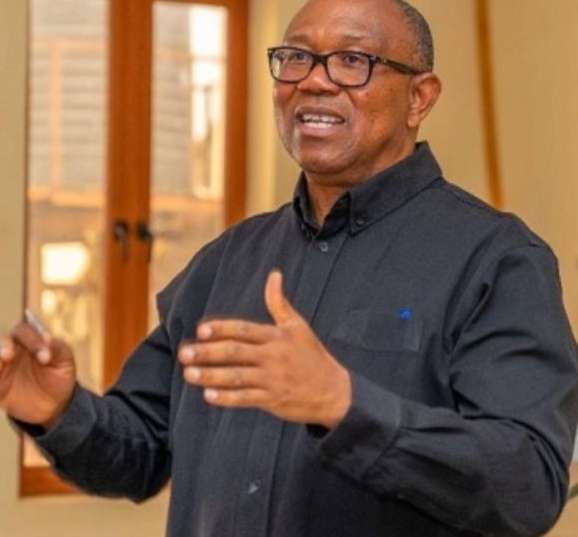
As Nigeria prepares for the pivotal 2027 general elections, political coalitions and alignments are dominating national discourse. One of the most talked-about figures in this evolving landscape is Peter Obi — the former Labour Party presidential candidate in 2023 and a central force in the opposition’s current coalition-building efforts.
In a recent clarification, the African Democratic Congress (ADC) announced that while Peter Obi is an active participant in its coalition efforts, he is not yet a registered or card-carrying member of the party. This revelation has sparked intense public interest and political debate across the country.
What the ADC Said About Peter Obi’s Membership Status
Speaking during a live interview on Channels Television’s Politics Today, ADC National Publicity Secretary Bolaji Abdullahi addressed the confusion surrounding Peter Obi’s political affiliation.
According to Abdullahi, Obi has been deeply involved in the formation of the opposition coalition but has not formally joined the ADC. The former Anambra governor reportedly requested to remain within the Labour Party for now in order to complete internal processes related to his 2023 presidential campaign structure and support base.
The ADC leadership accepted this request in good faith, acknowledging Obi’s strategic value and his influence across multiple political fronts.
Why Peter Obi Remains in the Labour Party
Although Obi is closely aligned with the ADC coalition, his continued affiliation with the Labour Party appears to be a calculated political move. There are several key reasons behind this decision:
1. Preserving Support Structures:
Peter Obi’s 2023 campaign under the Labour Party created a massive movement, especially among Nigerian youth. Exiting the LP too soon could alienate this core support base.
2. Legal and Electoral Considerations:
There are ongoing legal and electoral matters related to the 2023 election cycle. Remaining in the Labour Party ensures continuity and easier management of any residual issues from that period.
3. Strengthening the Coalition Framework:
By not formally switching parties yet, Obi helps maintain the unity of the opposition while giving room for other parties to align without feelings of marginalization.
Inside the Growing Opposition Coalition
As Nigeria heads into another election cycle, the urgency for a united opposition has never been more apparent. The ADC is leading a coalition effort that includes:
Labour Party (LP)
Social Democratic Party (SDP)
Allied People’s Movement (APM)
Other smaller reformist parties
This coalition is working toward presenting a consensus presidential candidate, with Peter Obi seen as a frontrunner due to his popularity, experience, and reform-driven ideology.
While his party allegiance is still formally with the Labour Party, Obi’s participation in coalition meetings and strategy sessions confirms his central role in the opposition’s plans for 2027.
Mixed Reactions from Stakeholders and the Public
The ADC’s confirmation has drawn varied responses across the political spectrum and among citizens.
Supporters of Peter Obi view the arrangement as an intelligent strategy. They believe it shows Obi’s commitment to unity and national interest above party labels.
Critics, on the other hand, argue that such dual involvement may confuse voters or project indecisiveness. Some believe that formal party membership is essential to give structure to the coalition’s future.
Political analysts are mostly in agreement that this approach allows Obi to keep his options open while helping the opposition coordinate a broader, more inclusive movement.
Implications for Nigeria’s 2027 Presidential Race
Peter Obi’s position in the ADC-led coalition — despite not holding a party card — is a powerful indication of how coalition politics in Nigeria is evolving. The implications of this development are far-reaching:
Coalition Strength:
Obi’s involvement significantly boosts the visibility and credibility of the coalition. It sends a strong message that opposition parties are willing to work together to challenge the status quo.
Strategic Unity:
The coalition model allows smaller parties to combine their strengths without the need for costly and divisive primaries. It also enables key political figures to engage across platforms more fluidly.
Broader National Appeal:
With Obi acting as a unifying figure, the coalition stands a better chance of reaching voters across multiple regions, religious backgrounds, and demographics.
Will Peter Obi Eventually Join ADC?
Although Peter Obi is not currently a registered ADC member, the possibility remains open. According to Bolaji Abdullahi, discussions are ongoing, and any final decision will likely be made closer to the 2027 elections, in line with the Independent National Electoral Commission (INEC)’s timetable.
For now, Obi continues to operate within the Labour Party while maintaining deep collaborative ties with the ADC and other opposition parties.
A Shift in Nigeria’s Political Landscape
Nigeria’s democratic evolution is taking a new turn with the rise of coalition politics and independent-minded candidates. Peter Obi represents this shift — focusing on policies, accountability, and citizen engagement, rather than traditional party politics.
His strategic alliance with the ADC-led coalition reflects a growing desire among Nigerians for alternatives to the two-party dominance that has shaped the Fourth Republic.
Conclusion: The Road to 2027
While Peter Obi is not a card-carrying member of the ADC, his political influence within the party’s coalition structure is undeniable. His decision to stay formally with the Labour Party — at least for now — is part of a broader strategy aimed at preserving unity and maximizing voter reach.
As the 2027 elections approach, Nigerians can expect more political realignments, coalition-building, and high-stakes decisions that could reshape the nation’s democratic future.
SaharaNews247 will continue to provide accurate, insightful, and up-to-date reporting on all major political developments.