A Night to Remember: Burna Boy Lights Up New Zealand
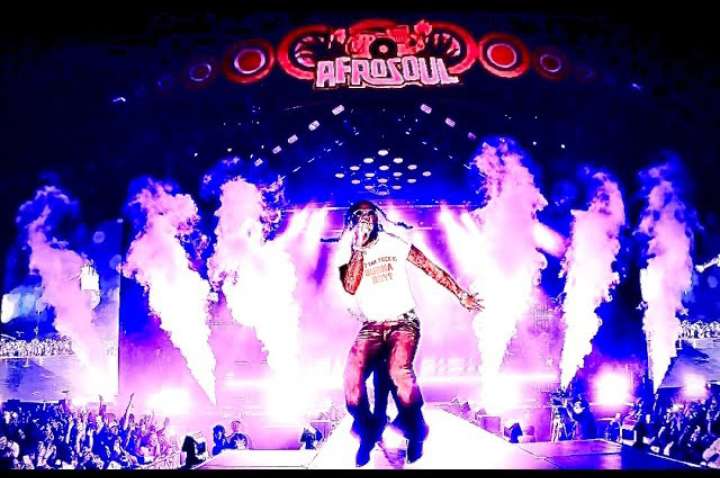
Nigerian global music icon Burna Boy has once again proven why he is regarded as one of Africa’s greatest musical exports. His electrifying performance at the Afrosoul Festival in New Zealand marked a historic moment for African music on the international stage, as he became the first African artist to headline a major open-air concert of such magnitude in the country.
The Afrosoul Festival, known for celebrating African and Caribbean music, culture, and creativity, witnessed an overwhelming turnout. Thousands of fans — both Africans in the diaspora and locals — flocked to Auckland to experience the magic of Burna Boy live.
The atmosphere was electric as the crowd sang along to global hits like Last Last, Ye, Gbona, and City Boys. With his unmatched stage presence and cultural pride, Burna Boy transformed the event into a global celebration of Afrobeat, African identity, and cultural unity.
Burna Boy’s Global Impact: Redefining African Music
Burna Boy’s rise to global superstardom has redefined the trajectory of African music. From his early beginnings in Port Harcourt, Nigeria, to sold-out shows in cities like London, Paris, and New York, the Grammy Award-winning artist has pushed the boundaries of Afrobeat and fused it with global sounds while maintaining a distinctly African soul.
His performance in New Zealand reflects how deeply Afrobeat has penetrated global markets. What once began as a local Nigerian rhythm has now evolved into a worldwide sound — influencing genres from pop to hip-hop. Burna Boy’s music not only entertains but also educates, with lyrics that tell stories of struggle, resilience, pride, and cultural heritage.
Cultural Exchange and Global Recognition
The Afrosoul Festival in New Zealand wasn’t just a concert — it was a cultural exchange. For many in attendance, it was their first live experience of African music and dance. The event showcased not just Burna Boy’s talent but the richness of African fashion, food, and artistry.
New Zealand media praised the performance, describing it as “a once-in-a-lifetime cultural explosion.” Local news outlets highlighted the significance of Burna Boy’s visit, noting that his performance has opened the doors for more African artists to perform in the region.
The festival also featured African DJs, dancers, and designers who used the platform to showcase the diversity of the continent. The night underscored one powerful truth — Africa’s creative influence is unstoppable.
Economic and Cultural Impact on New Zealand
Burna Boy’s appearance at the Afrosoul Festival created a ripple effect that extended beyond music. Hotels in Auckland reported full bookings, while restaurants and local transport services experienced a surge in demand during the event period.
Experts estimate that the festival injected hundreds of thousands of dollars into the local economy, further proving that African music is not just an art form — it’s a global economic force.
Local tourism officials described the event as a “cultural boost” for New Zealand, adding that it introduced thousands of people to African traditions in a positive, unifying light.
From Lagos to the World: The Burna Boy Phenomenon
Burna Boy’s musical journey has been nothing short of extraordinary. Born Damini Ebunoluwa Ogulu, the artist’s fusion of reggae, dancehall, and Afro-fusion set him apart from his peers. His breakout album African Giant solidified his place as a voice for African consciousness and global unity.
In 2021, he made history by winning the Grammy Award for Best Global Music Album for Twice As Tall, an album that captured themes of resilience and African excellence. Since then, Burna Boy has gone on to perform at major arenas such as Madison Square Garden, London Stadium, and the Citi Field in New York.
The New Zealand milestone marks yet another chapter in his global dominance — a testament to how far African music has come and how powerful Burna Boy’s influence has become.
Fans React: Joy, Pride, and Inspiration
Fans took to social media to celebrate the historic night. Many shared clips of Burna Boy’s performance, describing it as “spiritual,” “unforgettable,” and “pure African pride.”
A fan from Wellington wrote:
“I’ve never seen an artist connect with the crowd like Burna Boy did. His energy was contagious, and it felt like Africa came to New Zealand.”
Another attendee posted:
“Burna Boy made us proud. I’m not even African, but after tonight, I feel part of something bigger. The love, rhythm, and culture were unreal.”
This level of fan engagement reflects the emotional connection Burna Boy builds wherever he performs — uniting people of all races and backgrounds through music.
Burna Boy’s Message to the World
During the concert, Burna Boy paused to address the crowd, expressing gratitude for the warm reception and promising to return. He reminded fans that African music is for everyone — a message that resonated deeply with the multicultural audience.
His statement encapsulated his long-standing philosophy: African music should be celebrated, respected, and embraced by the world without borders.
Challenges and Triumphs Along the Way
Burna Boy’s journey hasn’t been without challenges. Early in his career, he faced industry skepticism and censorship. Yet, through persistence and authenticity, he rose above criticism to become a symbol of African resilience.
His ability to blend traditional African sounds with international elements has made him a global cultural ambassador. He continues to use his platform to advocate for African unity, creativity, and economic empowerment.
The Afrosoul Festival performance served as a reminder that greatness often comes from authenticity. Burna Boy didn’t change to fit global standards — he made the world adjust to his.
The Afrosoul Festival: A Growing Platform for African Voices
Founded to celebrate African and Afro-Caribbean music, the Afrosoul Festival has rapidly grown into one of the most respected platforms for promoting African artistry abroad. This year’s edition in New Zealand was its biggest yet, attracting not only Africans in the diaspora but also locals eager to explore African rhythms.
Organizers have already announced plans to expand the festival to other cities across Oceania, thanks to the overwhelming success of Burna Boy’s headline performance.
By shining a spotlight on African culture, the Afrosoul Festival has helped bridge cultural divides and foster deeper understanding between communities.
The Future of Afrobeat in Global Entertainment
The success of Burna Boy’s New Zealand show underscores a broader shift in the entertainment industry. Afrobeat is no longer just a niche sound — it’s a global movement shaping the soundscape of modern music.
Major record labels, streaming platforms, and concert organizers are increasingly investing in African artists. The demand for Afrobeat concerts has surged, with artists like Wizkid, Davido, Rema, and Ayra Starr following in Burna Boy’s footsteps on global tours.
For Africa, this represents a new era — one in which cultural exports are reshaping global narratives and challenging stereotypes. Burna Boy’s triumph in New Zealand isn’t just about one artist’s success; it’s about Africa’s growing voice on the world stage.
Conclusion: A Legacy Beyond Music
Burna Boy’s historic performance in New Zealand is more than an entertainment headline — it’s a story of cultural pride, global unity, and artistic evolution. He continues to inspire millions across continents, breaking barriers and rewriting the global perception of African music.
As the world continues to embrace Afrobeat, one thing remains clear: Burna Boy’s journey from Lagos to the world is not just about fame — it’s about purpose, representation, and legacy.
Author Bio
Amaka Nwosu is a seasoned entertainment and culture journalist with a passion for African music and global storytelling. She writes for SaharaNews247, focusing on entertainment, culture, and creative industry trends shaping the modern African narrative.