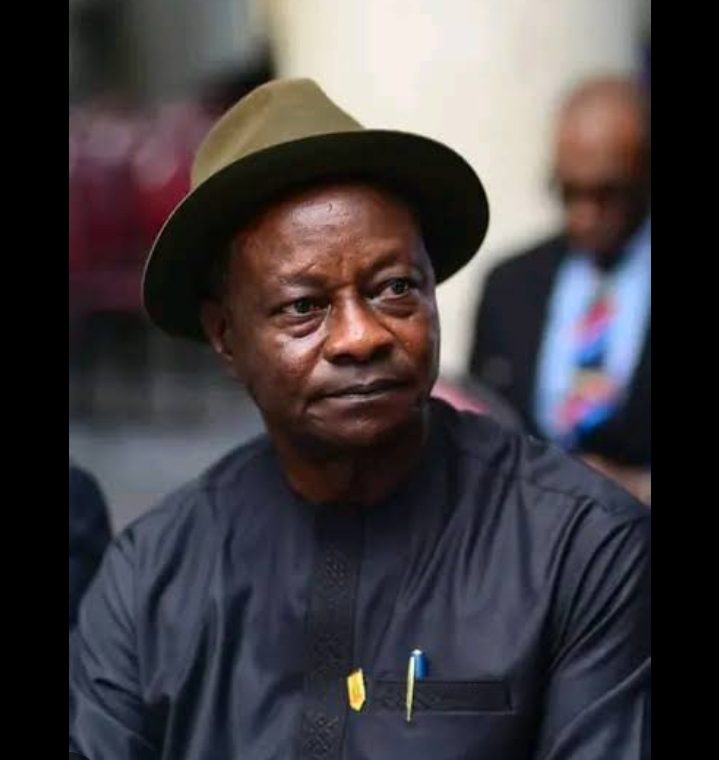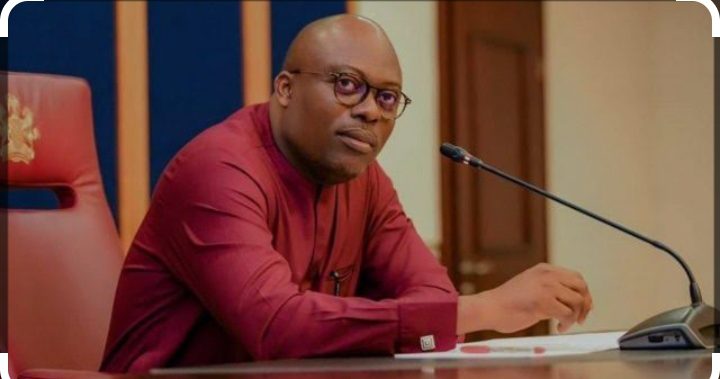

Former Kaduna Governor Nasir El-Rufai banned from SDP until 2055 amid damning allegations. What this means for opposition politics in Nigeria.
El-Rufai Expelled: A Stunning Political Reversal
In a dramatic shake-up of Nigeria’s political landscape, the Social Democratic Party (SDP) has expelled former Kaduna State Governor, Nasir Ahmad El-Rufai, and imposed a 30-year ban on his involvement with the party.
The decision, announced by the SDP’s National Working Committee (NWC) on July 28, 2025, stems from multiple allegations including forgery, impersonation, public deceit, and an attempt to infiltrate the party’s leadership through backdoor political dealings.
This development comes just as political alliances begin to form ahead of the 2027 general elections—raising questions about transparency, party identity, and the integrity of Nigeria’s opposition structure.
What Led to El-Rufai’s Expulsion?
The SDP cited a series of infractions that led to the expulsion:
False Membership Claims
El-Rufai reportedly declared himself a member of the SDP without completing the required ward-level registration in Unguwar Sarki, Kaduna North Local Government Area.
Forgery of Party Records
He is accused of falsifying documents by placing his name as “number 001” in the ward register, despite never undergoing due process as mandated by the party’s constitution.
Impersonation of Party Leadership
The former governor allegedly participated in political negotiations and engagements while falsely presenting himself as a representative of the SDP.
Backdoor Political Maneuvering
According to the party, El-Rufai attempted to use the SDP as a platform to gain influence within the Coalition of United Political Parties (CUPP), while simultaneously aligning with rival blocs such as the African Democratic Congress (ADC).
SDP’s Official Position
In the official statement issued by National Publicity Secretary, Ambassador Rufus Aiyenigba, the party declared that the expulsion and 30-year ban were necessary to protect the integrity of the SDP.
The statement outlined the following consequences for El-Rufai:
Prohibited from applying for membership until July 28, 2055
Barred from using the party’s logo, identity, or platform
Restricted from participating in any internal or external party activities
Forbidden from claiming affiliation with the SDP in any public or political setting
The party emphasized its commitment to constitutional order, discipline, and transparent governance, stating that its platform cannot be hijacked by opportunistic actors.
The Political Journey of El-Rufai
Nasir El-Rufai is no stranger to controversy. A former Minister of the Federal Capital Territory (FCT) and two-term Governor of Kaduna State, he was once considered a core figure in the ruling All Progressives Congress (APC). However, in recent years, El-Rufai has distanced himself from the mainstream APC bloc, particularly after falling out with the Tinubu-led faction.
With the 2027 general elections on the horizon, many analysts believe El-Rufai has been seeking a new political vehicle to stage a comeback. His sudden announcement of SDP membership weeks ago took many by surprise, sparking confusion and suspicion within political circles.
Why This Expulsion Is Politically Significant
The SDP’s bold move has far-reaching implications:
A Clear Warning to Political Hijackers
By taking decisive action against a prominent figure, the SDP has positioned itself as a party that values internal discipline and democratic processes over popularity and political might.
Potential Friction Within the CUPP
El-Rufai’s expulsion may cause tensions within the Coalition of United Political Parties, especially if other coalition members were unaware of the allegations against him. Trust within the alliance could suffer.
Legal and Constitutional Implications
Given El-Rufai’s history of legal engagement, many expect that he may challenge the expulsion in court. Such a legal battle could force a national conversation on party membership, verification, and political impersonation.
Public Trust and Party Credibility
The episode reinforces the growing demand for internal transparency among political parties in Nigeria. It may serve as a wake-up call for parties to tighten their membership records and internal screening procedures.
Reactions from Nigerians
Across social media, the expulsion has generated intense debate.
On X (formerly Twitter), hashtags such as #ElRufaiExpelled, #SDPDrama, and #PoliticalForgery have trended nationwide. Some Nigerians praised the SDP for standing firm, while others viewed the move as a politically motivated purge.
Notable civic voices and political commentators, including Aisha Yesufu and Jide Ajani, have called for greater scrutiny in party affiliations and coalition partnerships.
Has El-Rufai Responded?
As of the time of filing this report, Nasir El-Rufai has not made any public statement regarding the expulsion or the 30-year ban. However, close associates suggest that a formal response—either via press release or legal petition—is likely in the coming days.
If he chooses to contest the decision, the courts may soon be drawn into yet another high-profile political case, which could dominate national headlines and influence pre-2027 narratives.
Broader Lessons for Nigerian Democracy
This case underscores several important lessons for political parties and citizens alike:
Party structures must enforce constitutional registration procedures to avoid infiltration.
Political impersonation is a serious threat to coalition integrity.
Internal discipline must be prioritized, regardless of a member’s status or former position.
Voters need clarity on who truly represents which party—especially in an age of misinformation.
What’s Next for the SDP?
The Social Democratic Party, once considered a fringe player in Nigerian politics, appears to be taking its internal structure seriously. This action could improve its public image and draw in voters looking for a credible alternative to the traditional giants.
However, the SDP must now ensure that it communicates clearly with its base, maintains internal unity, and continues its reforms if it hopes to convert this political drama into electoral capital.
Final Thoughts
The expulsion of Nasir El-Rufai from the SDP is more than just a party-level decision—it’s a reflection of the evolving demands of Nigerian voters and the shifting landscape of opposition politics. As the country prepares for the 2027 elections, parties will be under increasing pressure to operate with discipline, integrity, and transparency.
Whether El-Rufai mounts a successful political comeback or fades into the background, the events of July 28, 2025, will remain a defining moment in Nigeria’s democratic evolution.