
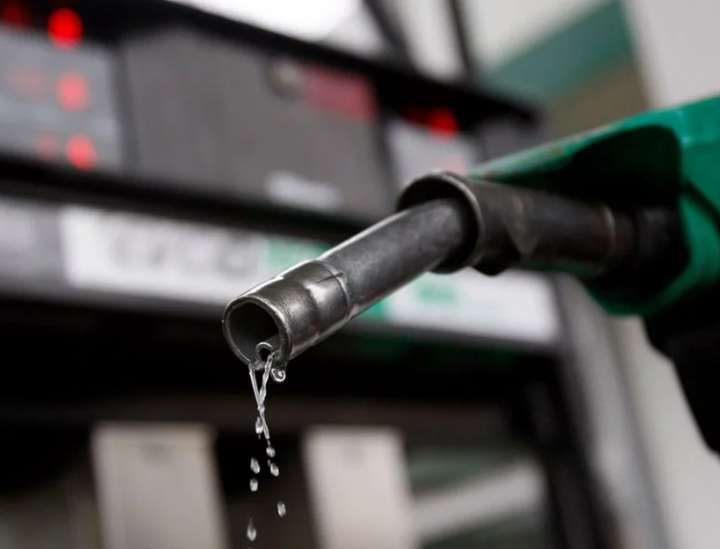
For millions of Nigerians, the sound of an engine starting each morning is more than a routine—it is a calculation. How much fuel will be needed today? Can today’s earnings cover transport, food, and electricity? In a country where petrol prices quietly dictate the rhythm of daily life, even a small adjustment at the pump can feel seismic.
That is why the announcement that the Nigerian National Petroleum Company Limited (NNPCL) has reduced the pump price of petrol by ₦80 per litre has triggered nationwide attention. From busy motor parks in Lagos to quiet filling stations in provincial towns, the news has spread quickly, igniting cautious optimism in a population long accustomed to price hikes rather than relief.
Yet beyond the initial excitement lies a deeper, more complex story—one that speaks to Nigeria’s evolving energy market, the fragile balance of its economy, and the lived realities of ordinary citizens navigating inflation and uncertainty.
A Rare Reversal in Nigeria’s Fuel Price Story
Fuel price reductions are uncommon in Nigeria’s recent history. For years, petrol prices moved in only one direction—upward—driven by subsidy removal, foreign exchange instability, rising global oil prices, and inefficiencies in domestic refining.
Against this backdrop, the ₦80 reduction stands out not merely as a pricing decision, but as a moment that challenges long-held assumptions. For the first time in months, Nigerians are not asking why fuel has increased. Instead, they are asking why it has dropped—and whether it will last.
Early confirmations from NNPCL retail outlets across major cities show the adjustment taking effect almost immediately. Commercial drivers, ride-hailing operators, and private motorists quickly noticed the difference. Social media platforms filled with photos of pump displays and fuel receipts, many shared with disbelief rather than celebration.
For a public conditioned by economic shocks, relief is often accompanied by suspicion.
Why NNPCL Cut Fuel Prices Now
The decision did not happen in isolation. It is the product of shifting market forces within Nigeria’s deregulated downstream petroleum sector.
Since the removal of fuel subsidy, petrol pricing has been driven largely by market realities rather than government directives. This has exposed Nigerians to painful price surges but has also opened the door to competition—something the sector lacked for decades.
One of the most significant changes has been the growing presence of locally refined fuel. As domestic refining capacity improves, the cost structure of petrol supply changes. Transportation costs fall. Import dependence reduces. Exposure to foreign exchange volatility weakens.
At the heart of this transformation is the emergence of large-scale private refining, which has introduced price competition into a market once dominated by imports. In this new environment, NNPCL is no longer the uncontested price setter. It must now respond to market pressure or risk losing relevance.
The ₦80 reduction is, therefore, not an act of generosity. It is a strategic response to competition.
What ₦80 Means in Real Nigerian Terms
In economic policy documents, price adjustments are often presented as abstract figures. On the streets, they translate into lived experiences.
For commercial transport operators, an ₦80 reduction per litre can mean thousands of naira saved each day. Over weeks, that savings becomes the difference between maintaining a vehicle and abandoning it. For private motorists, it reduces the weekly fuel budget and eases pressure on household finances already strained by inflation.
In cities where transport costs consume a significant portion of daily income, even modest fuel relief can ripple through the economy. Market traders spend less on transport. Workers can commute with slightly less stress. Small businesses running generators experience marginal reductions in overhead costs.
These changes may seem incremental, but in an economy where margins are thin, they matter.
Fuel Prices and the Cost of Living
Petrol is not just a commodity in Nigeria. It is an economic nerve.
When fuel prices rise, transport fares rise. When transport fares rise, food prices follow. When food prices rise, households are forced to make painful trade-offs—between nutrition, education, and healthcare.
The ₦80 price cut has revived conversations about whether Nigeria may finally see some easing in inflationary pressure. While no serious economist expects a single adjustment to reverse inflation, sustained fuel price stability can help slow its momentum.
Lower energy costs reduce production and distribution expenses across sectors. Over time, this can reflect in moderated food prices, more predictable transport fares, and improved consumer confidence.
The key word, however, is sustained.
The Bigger Economic Implications
Beyond household relief, the fuel price reduction carries broader macroeconomic significance.
Nigeria’s heavy reliance on fuel imports has historically placed enormous strain on foreign exchange reserves. Every litre imported represents dollars leaving the economy. As local refining expands and import dependence reduces, pressure on the naira eases.
If sustained, this trend could improve Nigeria’s balance of trade and offer some insulation against external shocks. It could also reduce the frequency with which fuel prices spike due to currency fluctuations.
For investors and market watchers, the price cut signals a more competitive downstream sector—one where efficiency, scale, and logistics matter more than political connections.
Is This the Beginning of Stability or a Temporary Dip?
This is the question dominating conversations across the country.
Nigeria’s fuel market remains exposed to several vulnerabilities. Global crude oil prices are unpredictable. The naira remains sensitive to external pressures. Infrastructure challenges persist, and policy consistency is not always guaranteed.
A sudden rise in global oil prices or a sharp depreciation of the naira could quickly erase recent gains. Likewise, supply disruptions or regulatory uncertainty could trigger another round of increases.
For now, the reduction offers relief—but not certainty.
Public Trust and the Communication Gap
One persistent challenge in Nigeria’s energy sector is communication. Fuel price changes often reach the public through informal channels—station attendants, social media posts, and roadside conversations—rather than clear official briefings.
This lack of structured communication fuels speculation and mistrust. Nigerians want to understand not just what has changed, but why.
In a deregulated market, transparency is essential. Consumers need clarity on pricing mechanisms, cost components, and market trends. Without this, every adjustment—up or down—becomes a source of anxiety.
Voices from the Streets
Reactions to the price cut reflect a mix of relief, hope, and skepticism.
Some transport operators have welcomed the development, describing it as a rare acknowledgment of public hardship. Others remain cautious, pointing to previous instances where reductions were quickly reversed.
Many commuters are waiting to see whether transport fares will adjust accordingly. History suggests that fare reductions lag behind fuel price cuts, and pressure is already mounting on transport unions to respond.
For most Nigerians, the mood is simple: enjoy the relief, but do not celebrate too soon.
Political Undercurrents
Fuel pricing has always carried political weight in Nigeria. It influences public perception, protest movements, and policy debates.
While the current reduction appears market-driven, it nonetheless eases social tension at a time when economic pressures remain intense. It offers breathing space—not just economically, but politically.
However, lasting stability will depend less on announcements and more on systems. Nigerians have seen temporary relief before. What they are waiting for now is consistency.
What Comes Next
The ₦80 reduction may mark the beginning of a more competitive and responsive fuel market. It suggests that deregulation, though painful, can yield benefits when supported by domestic production and fair competition.
But the road ahead is delicate. Policymakers must prioritize infrastructure investment, regulatory clarity, and market transparency. Energy sector reforms must be shielded from political interference and short-term thinking.
For consumers, vigilance remains essential. For businesses, cautious optimism is warranted. For Nigeria, the moment presents an opportunity to build a more resilient energy economy—if lessons are learned and reforms sustained.
A Moment of Relief, Not a Final Victory
The fuel price reduction by NNPCL is significant. It offers tangible relief and demonstrates the power of competition in a deregulated market. It shows that price cuts are possible, even in challenging economic conditions.
But it is not a destination. It is a checkpoint.
Whether this moment becomes a turning point or a brief pause before the next surge will depend on decisions made now—by regulators, market players, and policymakers alike.
For ordinary Nigerians, the message is clear: enjoy the relief, but keep asking the hard questions.
About the Author
Smart Chuks is an investigative journalist and economic affairs writer with SaharaNews247. He focuses on Nigeria’s energy sector, public policy, and the real-world impact of economic decisions on everyday life. His work bridges field reporting with in-depth analysis for both local and international audiences.
Stay with SaharaNews247 for credible,centered reporting on Nigeria and beyond.

