
Relief as Teachers Return to Class After Months of Uncertainty
Teachers under the FCT chapter of the Nigeria Union of Teachers (NUT) have suspended their three-month-long strike following the intervention of FCT Minister, Nyesom Wike. This decision has brought relief to thousands of parents and students who have endured prolonged academic disruptions in the Federal Capital Territory.
Why Did the Teachers Go on Strike?
The FCT NUT embarked on the strike due to non-payment of promotion arrears, delayed salaries, lack of implementation of teachers’ statutory allowances, and poor welfare conditions across primary and secondary schools in the territory.
During the strike, learning activities were completely halted, forcing students to stay home while parents struggled with the fear of their children falling behind academically.
The union maintained that until government commitments to teachers’ welfare and the education system were fulfilled, there would be no return to classrooms.
️ Wike’s Intervention: A Ray of Hope
In a decisive move, Minister Nyesom Wike met with the NUT executives and assured them that the FCT Administration would clear the backlog of promotion arrears and address teachers’ welfare issues within a set timeframe.
“We will not play politics with the future of our children. The welfare of teachers is crucial to quality education, and the administration will take immediate steps to address your demands,” Wike reportedly assured during the meeting.
✅ Teachers Agree to Resume – But with Caution
Following the intervention, the NUT resolved to suspend the strike to allow for further dialogue with the FCT Administration. However, the union has warned that if the government fails to implement its promises within the agreed timeline, teachers will be left with no choice but to resume industrial action.
The FCT NUT Chairman stated:
“In light of the intervention of the Honourable Minister and the steps taken so far, we have resolved to suspend the strike immediately, but we will continue to monitor the situation closely.”
Impact of the Strike on Students and Parents
The prolonged strike left over 30,000 students in the FCT idle at home, creating learning gaps and pushing parents to seek alternatives in private schools despite economic challenges.
Many parents expressed concerns that their children had lost valuable academic time, while some students preparing for external examinations like WAEC and NECO faced uncertainties about completing their syllabuses.
Now, with the suspension of the strike: ✅ Schools will reopen for immediate resumption of academic activities.
✅ Students can prepare adequately for forthcoming examinations.
✅ Parents will experience relief from the stress of seeking alternative learning options.
The Broader Picture: Challenges Facing Nigeria’s Education Sector
The FCT teachers’ strike is a reflection of systemic challenges within Nigeria’s education system, including:
Underfunding of public education.
Delayed salaries and promotion arrears for teachers.
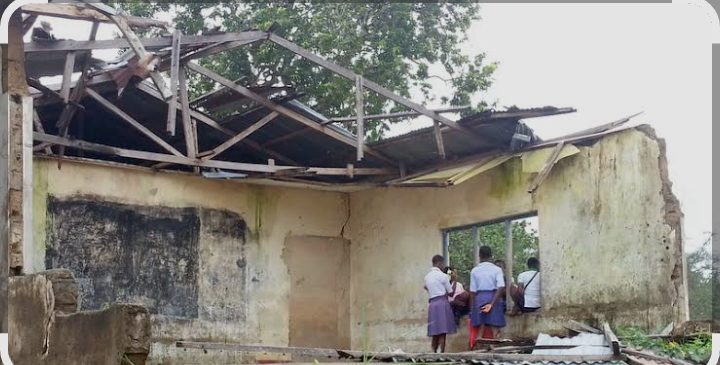
Lack of essential infrastructure for effective learning.
Poor motivation among teachers, affecting learning quality.
Education analysts have emphasized that frequent strikes destabilize the academic calendar, diminish learning outcomes, and discourage investment in the education sector.
勇 Parents and Teachers React
Parents and education stakeholders have expressed cautious optimism over Wike’s intervention:
✅ Mrs. Binta Usman, a parent, shared:
> “I am happy the strike is over, but I hope the government keeps its promises so our children can learn without disruptions.”
✅ Mr. Kunle Adeyemi, a secondary school teacher in Abuja, noted:
“We don’t enjoy going on strike, but our welfare is important. We are trusting the minister’s words and hope this intervention will bring lasting change.”
喝 Hope for Stability Amid Uncertainty
The intervention by Wike, if fully implemented, could pave the way for a more stable academic calendar in the FCT, ensuring children can learn in a conducive environment while teachers receive fair treatment and motivation.
Education stakeholders urge the government to: ✅ Implement prompt payments of entitlements.
✅ Improve teacher training and welfare.
✅ Invest in infrastructure across public schools.
Doing so will address the root causes of strikes and foster a productive learning environment across Nigeria.
What Do You Think?
Do you believe Wike’s intervention will bring a lasting solution to teachers’ welfare issues in the FCT? What more should the government do to prevent strikes in Nigeria’s education system?
Drop your comments below and join the conversation.
Stay Updated with SaharaNews247
For breaking news, verified reports, and in-depth analysis across Nigeria, keep visiting SaharaNews247.com.
✅ Share this article to keep others informed and support accountability within Nigeria’s education system.