By Joseph Chibueze | SaharaNews247
Introduction: Renewed Clash Between ASUU and the Federal Government
The face-off between the Academic Staff Union of Universities (ASUU) and the Federal Government of Nigeria has resurfaced, plunging the nation’s higher education sector into another round of uncertainty. ASUU’s declaration of a fresh nationwide strike has sparked renewed debate about the government’s “no-work-no-pay” policy — a recurring issue that continues to define the strained relationship between both parties.
This latest development comes amid widespread criticism from academics and education advocates, with a senior university Don lambasting the Federal Government for what he described as a “draconian, insensitive, and counterproductive” stance toward university lecturers.
ASUU’s Decision to Strike: A Struggle for Survival and Integrity
The ongoing strike is not merely about unpaid wages; it’s about the future of Nigeria’s university system. ASUU’s leadership argues that the decision to embark on the industrial action was born out of necessity — a desperate attempt to compel the government to fulfill agreements previously signed but never implemented.
The union listed key demands, including:
1. Implementation of the University Transparency and Accountability Solution (UTAS):
ASUU has long rejected the use of the Integrated Payroll and Personnel Information System (IPPIS), describing it as inconsistent with the unique structure of university administration. UTAS, developed by ASUU, is said to better address transparency while respecting university autonomy.
2. Settlement of Earned Academic Allowances (EAA):
Lecturers across Nigerian universities continue to lament unpaid allowances accrued over several years despite repeated promises by successive administrations.
3. Improved Funding for Infrastructure and Research:
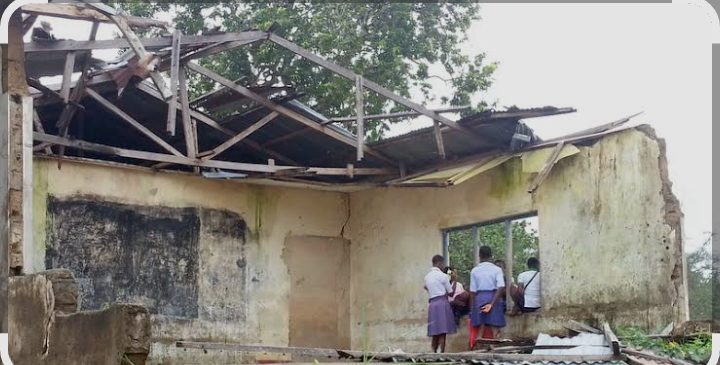
The deplorable condition of many Nigerian universities — with dilapidated lecture halls, inadequate laboratories, and insufficient research grants — has been a long-standing grievance.
4. Review of Lecturers’ Welfare and Conditions of Service:
The union argues that the salaries of university lecturers are outdated and no longer reflect current economic realities, especially with the rising cost of living and inflation.
FG’s No-Work-No-Pay Policy: A Trigger for Renewed Tension
In response to the strike, the Federal Government reemphasized its position on the no-work-no-pay rule, insisting that lecturers who refuse to work will not receive salaries during the period of the strike.
The Minister of Education reiterated that the government will not be “blackmailed” into granting demands through industrial action, noting that Nigeria’s laws back the policy. However, this declaration drew widespread condemnation across academic and civil society circles.
Dr. Emmanuel Adebayo, a senior lecturer at the University of Lagos, told SaharaNews247 that the policy reflects “a fundamental misunderstanding of the real issues.”
“The no-work-no-pay threat is nothing but an intimidation tactic. ASUU members are not fighting for personal enrichment; we are fighting for the survival of Nigerian universities. Government should engage, not threaten,”
— Dr. Adebayo said.
Don’s Perspective: “Negotiation, Not Punishment, Solves Crises”
The Don who spoke on condition of anonymity said the government’s handling of the matter betrays a lack of empathy and long-term vision for education.
He stated:
“Education should not be treated as a battleground. The government’s confrontational approach only deepens the crisis. What ASUU is demanding are commitments the government itself agreed to years ago. Instead of enforcing a no-work-no-pay law, why not ensure no-agreement-is-violated?”
He called on President Bola Tinubu to prioritize higher education funding and restore confidence in the system by demonstrating sincerity in negotiations.
Students Bear the Brunt of the Impasse
The repeated ASUU strikes have had devastating effects on students, many of whom are now emotionally drained and uncertain about their academic future.
A final-year student at the University of Benin expressed frustration, saying:
“Each strike means wasted months of our lives. It’s depressing to see our education constantly interrupted because the government and lecturers can’t agree.”
For students in public universities, delayed graduations, disrupted academic calendars, and psychological stress have become the norm. Parents, too, have voiced their anger, urging both parties to find common ground.
Education experts warn that the continued instability is pushing Nigerian youths toward foreign and private universities, further depleting the country’s talent pool and weakening public education.
A Cycle of Broken Promises: The History Behind ASUU’s Struggles
The ASUU-FG conflict is a historical one that stretches back over three decades. Since the early 1990s, ASUU has embarked on numerous strikes, each time demanding better funding, improved facilities, and fair remuneration.
A brief timeline shows the recurring nature of the crisis:
1999–2009: ASUU embarked on at least six major strikes during this period.
2013: The union staged a five-month strike, leading to a partial agreement that remains unfulfilled.
2020: ASUU went on a nine-month strike — the longest in Nigeria’s history — demanding the implementation of the 2009 agreement.
2022: Another eight-month strike followed, ending only after a court order compelled lecturers to resume.
Despite countless negotiations, memoranda of understanding, and intervention committees, the same issues persist — showing the depth of institutional neglect within Nigeria’s education system.
Education Analysts: The System Needs Reform, Not Reaction
Education policy analyst Dr. Aisha Umar noted that the recurring crisis stems from a lack of commitment to reforming Nigeria’s education financing model.
“We cannot continue running universities like government parastatals. There has to be a deliberate policy shift toward autonomy, funding diversification, and performance-based incentives,”
she said.
Dr. Umar suggested that Nigeria adopt models similar to South Africa and Malaysia, where universities enjoy a high degree of independence in funding, research, and partnerships, while the government focuses on regulation and quality assurance.
Government’s Position: “We Will Not Be Held Hostage”
Despite mounting pressure, the Federal Government insists it will not back down. Officials from the Ministry of Labour argue that the no-work-no-pay rule is necessary to maintain accountability.
According to a government spokesperson:
“ASUU members are free to go on strike, but taxpayers cannot be expected to pay for services not rendered. The rule is lawful and non-negotiable.”
However, this position has drawn sharp criticism from the public, with many arguing that such rigidity ignores the broader systemic problems that have plagued Nigerian education for decades.
Public Reaction: Frustration, Solidarity, and Despair
On social media, Nigerians are expressing mixed feelings about the standoff. While some sympathize with ASUU’s struggle, others are growing impatient with the repeated disruptions.
@EduWatchNG: “We understand ASUU’s struggle, but endless strikes are no longer sustainable. Education needs reform, not repetition.”
@AcademicVoice: “The government’s no-work-no-pay rule is hypocritical. They owe salaries, neglect universities, yet expect normalcy.”
@NaijaParentsForum: “Students are the victims again. Both sides should compromise for the sake of our children.”
The prevailing sentiment is that both sides must prioritize the interests of students and the future of the country over political or institutional ego.
The Broader Implications for Nigeria’s Development
The crisis between ASUU and the government goes beyond the universities — it directly affects Nigeria’s economic and social development.
Education is the foundation of innovation, research, and national progress, yet the sector continues to suffer from chronic underfunding, poor infrastructure, and policy inconsistency.
A weakened university system means:
Reduced innovation and research output.
Brain drain, as qualified lecturers seek better opportunities abroad.
Lower global competitiveness for Nigerian graduates.
Increased social frustration among idle youths.
Experts warn that without urgent reforms, Nigeria risks producing an entire generation of poorly trained graduates ill-equipped for modern challenges.
Proposed Solutions: Building a Sustainable Future for Nigerian Universities
To end the cycle of strikes and government threats, analysts recommend a series of pragmatic steps:
1. Implement Previous Agreements: The government must demonstrate credibility by honoring signed MOUs.
2. Restructure University Funding: Universities should be allowed to generate and manage their resources with proper oversight.
3. Establish Education Endowment Funds: Encourage public-private partnerships to fund infrastructure and research.
4. Promote Accountability: ASUU should ensure transparency in how funds are utilized.
5. Create Permanent Mediation Channels: A standing education-labor resolution committee could prevent future deadlocks.
6. Review the No-Work-No-Pay Policy: Instead of blanket punishment, the government should explore performance-based assessment mechanisms.
Conclusion: Dialogue, Not Dictates, Will Save Nigeria’s Universities
The ongoing ASUU strike and the government’s no-work-no-pay stance once again expose the fragility of Nigeria’s education system. While the government’s concern for accountability is valid, its confrontational method undermines trust and progress.
The way forward lies in honest dialogue, sincere implementation of agreements, and a shared vision for the transformation of Nigerian education. Until both sides embrace mutual respect and commitment, the nation’s universities will continue to suffer — and so will the hopes of millions of students whose futures depend on them.
Author Bio
Joseph Chibueze is an award-winning journalist, education correspondent, and policy analyst with over a decade of experience covering Nigeria’s academic and governance sectors. His works focus on education reform, youth development, and social accountability. He writes exclusively for SaharaNews247.