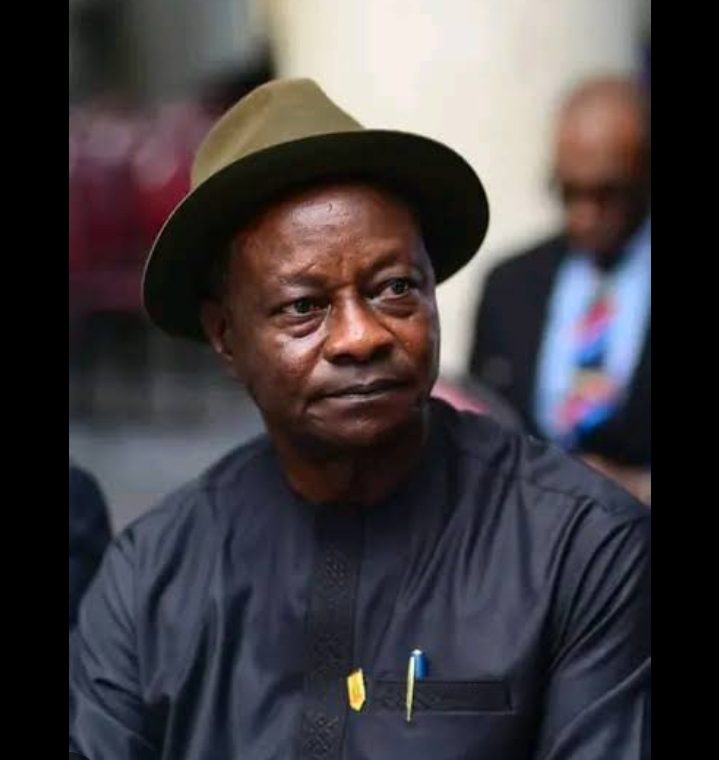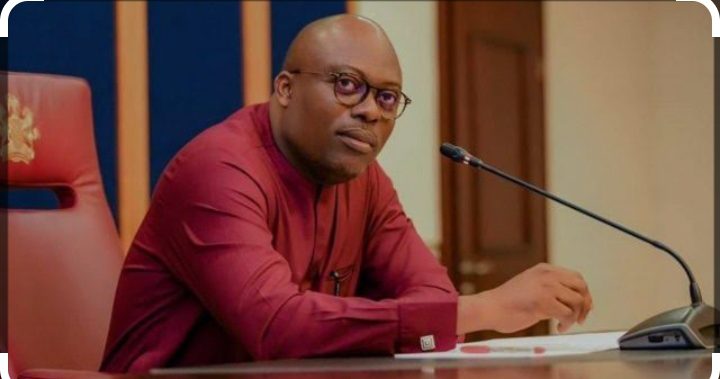

The Nigerian Senate is no stranger to heated debates, but the dramatic confrontation that unfolded during the recent ambassadorial screening took the nation by surprise. What should have been an orderly assessment of potential diplomats quickly transformed into a fiery exchange between two political giants — Senator Adams Oshiomhole and Senator Ali Ndume — all sparked by the nomination of one man: Reno Omokri.
The moment was instantly captivating. It wasn’t just a clash of personalities; it was a window into the deeper tensions shaping the Senate and a reflection of the ongoing struggle between political loyalty, institutional integrity, and the complex demands of Nigeria’s foreign diplomacy. As video clips travelled across social platforms and Nigerians rushed to interpret what happened, one thing became clear: this was far more than a procedural disagreement. It was a confrontation loaded with symbolism.
This detailed SaharaNews247 analysis breaks down the drama, the personalities, the politics behind the uproar, and what the entire episode means for Nigeria moving forward.
A Routine Screening That Turned Explosive
The session began like any other, with senators preparing to examine President Bola Ahmed Tinubu’s latest list of ambassadorial nominees. The names included career diplomats, political figures, and technocrats. But hovering over the list was a name guaranteed to generate debate — Reno Omokri.
Omokri’s reputation is anything but quiet. A former presidential aide, author, commentator, and online activist, he has built a national persona defined by strong opinions, constant political engagement, and an often polarizing public presence. Many expected his screening to be intense, but few anticipated that it would spark a full-blown confrontation between two of the Senate’s most influential voices.
Everything escalated when Senator Ali Ndume attempted to apply a well-known Senate courtesy: allowing certain nominees to “take a bow and go.” This shorthand gesture is often used to fast-track individuals who have previously served in high public office. To Ndume, Omokri fit that category.
Oshiomhole disagreed. Strongly.
He rose swiftly to challenge Ndume, arguing that the Senate needed to treat this particular nomination with a higher level of scrutiny. A verbal shootout followed, with both senators raising points, raising voices and refusing to yield. Other lawmakers watched in astonishment as the chamber momentarily slipped out of control. Order was restored, but the incident was already on its way to becoming a national talking point.
Why Reno Omokri’s Nomination Became a Flashpoint
Understanding the uproar requires understanding the nominee himself. Reno Omokri is one of Nigeria’s most visible political commentators, often oscillating between hard criticism and bold advocacy. For years, he was a relentless critic of the Buhari administration, producing commentary, investigations, video exposés and social media campaigns that inspired both admiration and resentment.
His outspoken personality, combined with past political confrontations and occasional public controversies, makes him one of the most polarizing public figures of his generation.
To some Nigerians, he is a courageous voice for accountability.
To others, he is a provocateur unfit for diplomatic service.
It’s this duality that sharpened the reactions in the Senate.
Beyond his personality, there were deeper concerns:
Some senators believed past controversies were too weighty for an ambassadorial role.
Others questioned whether the nomination represented political reward rather than merit.
Diplomats and analysts argued that Nigeria’s foreign image required quieter, more tactful personalities.
Supporters insisted that his global visibility and communication skills could help Nigeria abroad.
All these conflicting views collided on the Senate floor, turning the Omokri nomination into a national spectacle.
The Heart of the Clash: Two Ideologies Colliding
While the confrontation appeared personal, it was rooted in two fundamentally different views about how the Senate should function.
Senator Ndume approached the matter with an emphasis on tradition and courtesy. To him, allowing Omokri and other nominees with public-service backgrounds to take a bow was a matter of respect and efficiency. The Senate had a long list to get through; speeding up the process was practical.
Senator Oshiomhole, however, insisted that courtesy must never overshadow due diligence. His stance was clear: an ambassador is a sensitive national figure. They represent Nigeria’s dignity, negotiate international deals, and shape the nation’s external image. Therefore, controversial nominees must face deeper questioning — not shortcuts.
These opposing frameworks created a perfect storm. Ndume’s insistence on tradition clashed head-on with Oshiomhole’s call for caution. Once voices rose, pride, principle, and political history took over.
What This Drama Tells Us About the Senate
When two senior senators clash publicly, it usually indicates a larger problem beneath the surface. This incident revealed several realities.
First, the chamber is battling internal fractures. Some senators lean toward defending government nominees, while others feel a growing need to assert independence from the executive arm. The Omokri case became a battlefield for those competing impulses.
Second, the screening process itself is inconsistent. The tradition of allowing nominees to take a bow has long been criticized for allowing unqualified or controversial individuals to bypass real scrutiny. The Oshiomhole–Ndume clash showed even the senators themselves are divided on when the tradition applies and whether it still serves national interest.
Third, the Senate is increasingly aware of public perception. With live streams, social media, and constant public commentary, lawmakers are conscious of how their actions are interpreted by millions watching outside the chamber. This also increases the tendency for dramatic moments to emerge.
Ambassadorial Roles Are Too Important for Half-Measures
Behind all the noise lies a fundamental question: What kind of individuals should represent Nigeria across the world?
Ambassadors are not ceremonial figures. They are front-line diplomats responsible for building relationships, negotiating agreements, protecting Nigerians abroad, managing crises, and presenting Nigeria’s best face to global audiences. These roles demand:
emotional intelligence
political maturity
cultural awareness
discretion and discipline
strong negotiation skills
a clean and stable public track record
The debate over Omokri’s nomination reflects Nigeria’s ongoing struggle to balance political appointments with competence-based selection.
For decades, ambassadorial postings have been used to reward political allies, compensate supporters, or create space for high-profile personalities. Critics argue that this practice undermines professional diplomacy.
Supporters of Omokri counter that he’s articulate, widely traveled, media-savvy and well-connected internationally — qualities that could help Nigeria.
But the larger question remains: Should diplomacy be a professional field or a political reward?
The Oshiomhole–Ndume altercation placed this debate at the center of national attention.
Consequences of the Clash — and What Comes Next
With emotions still running high, the Senate faces crucial decisions. Approving Omokri would be interpreted by some as overlooking legitimate concerns. Rejecting him would be seen by others as political resistance to the presidency.
Whichever path the Senate eventually takes, the implications will echo far beyond this moment.
For the presidency, this nomination is a test of political influence.
For the Senate, it is a test of credibility.
For Nigerians, it is a chance to demand higher standards.
Diplomatic appointments shape Nigeria’s global reputation, and Nigerians are increasingly insisting that competence and integrity outweigh political convenience. The Omokri controversy has amplified that demand.
Moving Forward: A Better Way to Handle Diplomatic Appointments
If there is one lesson Nigeria must take from this situation, it is the urgent need to reform how ambassadorial nominations are made and reviewed.
A more transparent selection process would evaluate nominees based on qualifications, public conduct, security clearance, diplomatic capacity, and global awareness. A stronger confirmation process would ensure that no nominee — no matter how influential or well-connected — avoids proper questioning.
If Nigeria wants to strengthen its international standing, it must take diplomacy seriously. Screening must rise beyond tradition, sentiment, or political compensation.
The Senate has the power to champion such reform — and the Omokri case may be the spark needed to ignite meaningful change.
Final Reflection: A Clash Bigger Than Two Senators
In the end, the confrontation between Oshiomhole and Ndume was not really about Reno Omokri alone. It was a reflection of:
the Senate’s internal ideological struggles
the battle for transparency in public appointments
the tension between loyalty and scrutiny
the rising public expectation for accountability
The clash exposed long-standing cracks in Nigeria’s political system, but it also opened the door to important national conversations.
If Nigeria can turn this moment into a push for more accountable governance, then the heated exchange — dramatic as it was — may ultimately serve the country’s best interest.
About the Author
Smart Chuks is a political writer and public affairs analyst with a passion for governance, democratic accountability, and legislative processes in Nigeria. He has covered politics and national institutions for years, contributing deep insights to several media platforms. At SaharaNews247, his work focuses on simplifying complex national issues and helping Nigerians make sense of the forces shaping their country.